 modacritic
Fashion’s runway has always operated as both a visionary platform and a controlled environment—one that prioritizes concept, exaggeration, and narrative over practicality. Yet, the relevance of any fashion season ultimately depends on its translation into real-world wardrobes. Fall/Winter 2026 (FW26) is no exception. While the runway presented a layered mix of refined minimalism, expressive tailoring, and material experimentation, the real question remains: which of these ideas can be meaningfully integrated into everyday dressing—and how?
This article approaches FW26 trends through a performance-based evaluation framework, analyzing not only their aesthetic value but also their wearability, adaptability, and long-term viability. The goal is not to replicate runway looks, but to distill their underlying principles into actionable wardrobe strategies.
Understanding FW26: A Season Defined by Controlled Contrast
FW26 is best understood as a season of controlled contrast. Rather than embracing extremes, designers explored the tension between:
- Structure and fluidity
- Minimalism and expression
- Tradition and innovation
This results in collections that feel intellectually composed rather than visually chaotic. For consumers, this is an advantage: FW26 trends are inherently more adaptable than those of highly conceptual seasons.
Trend #1: Relaxed Tailoring 2.0
Runway Interpretation
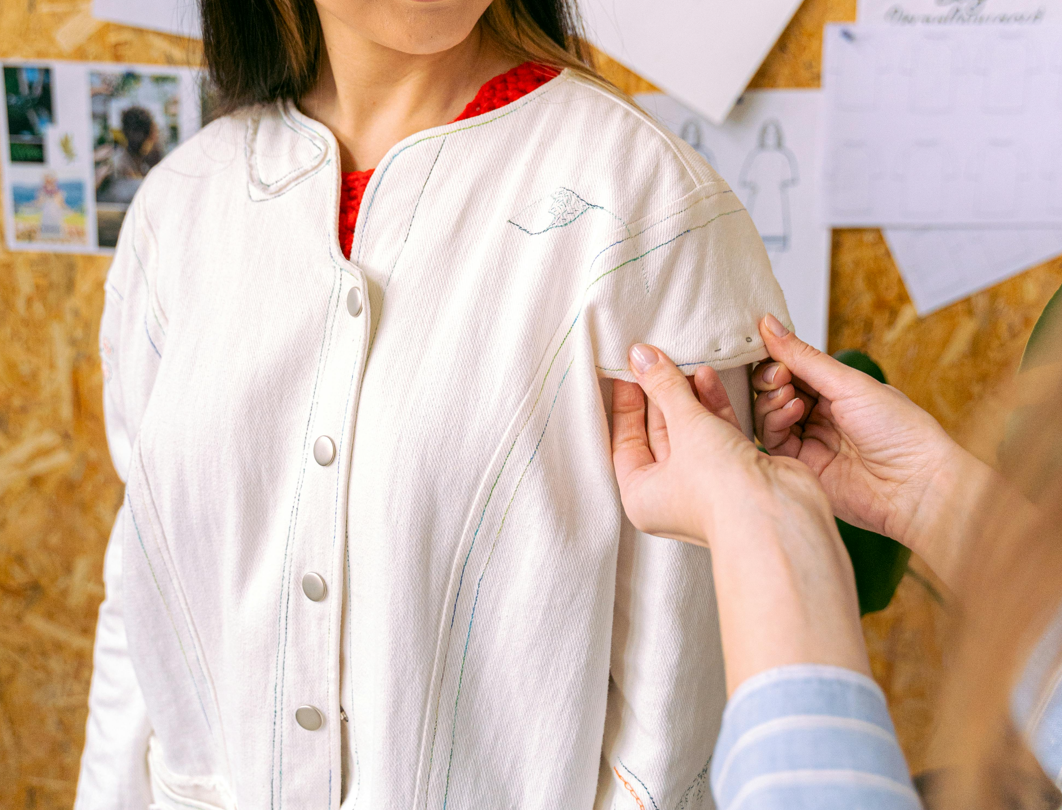
Tailoring in FW26 moves further away from rigid structure. Key characteristics include:
- Softer shoulder construction
- Slightly oversized silhouettes
- Increased drape and movement
This evolution reflects a broader shift toward comfort-integrated formalwear.
Real-World Translation
For daily wear, relaxed tailoring can be adopted through:
- Unstructured blazers paired with knitwear
- Trousers with a wider leg but controlled length
- Layering tailored pieces with casual elements
The key is proportion management. Oversizing must remain intentional rather than excessive.
Evaluation
- Wearability: High
- Versatility: Excellent
- Longevity: Strong
Relaxed tailoring is one of the most accessible FW26 trends and offers immediate wardrobe value.
Trend #2: Elevated Utility
Runway Interpretation
Utility garments—once purely functional—are reinterpreted with:
- Premium fabrics
- Refined construction
- Minimalist detailing
Cargo pockets, technical closures, and modular elements appear in a more polished context.
Real-World Translation
To integrate elevated utility:
- Choose one functional piece per outfit (e.g., a utility jacket)
- Pair with clean, structured garments
- Avoid stacking multiple technical elements
This ensures the look remains intentional rather than overly utilitarian.
Evaluation
- Wearability: Moderate to high
- Versatility: Good
- Longevity: Moderate
Elevated utility works best as an accent, not a full wardrobe direction.
Trend #3: Deep-Tone Color Palettes
Runway Interpretation
FW26 introduces a richer color spectrum:
- Deep burgundy
- Forest green
- Charcoal variations
- Muted navy
These tones expand beyond traditional neutrals while maintaining visual restraint.
Real-World Translation
Color integration can be approached incrementally:
- Replace black with deep alternatives
- Use color in mid layers or accessories
- Maintain tonal consistency within outfits
This allows for subtle evolution without risk.
Evaluation
- Wearability: Excellent
- Versatility: Excellent
- Longevity: High
Color is one of the most effective and low-risk ways to modernize a wardrobe.
Trend #4: Texture Layering
Runway Interpretation
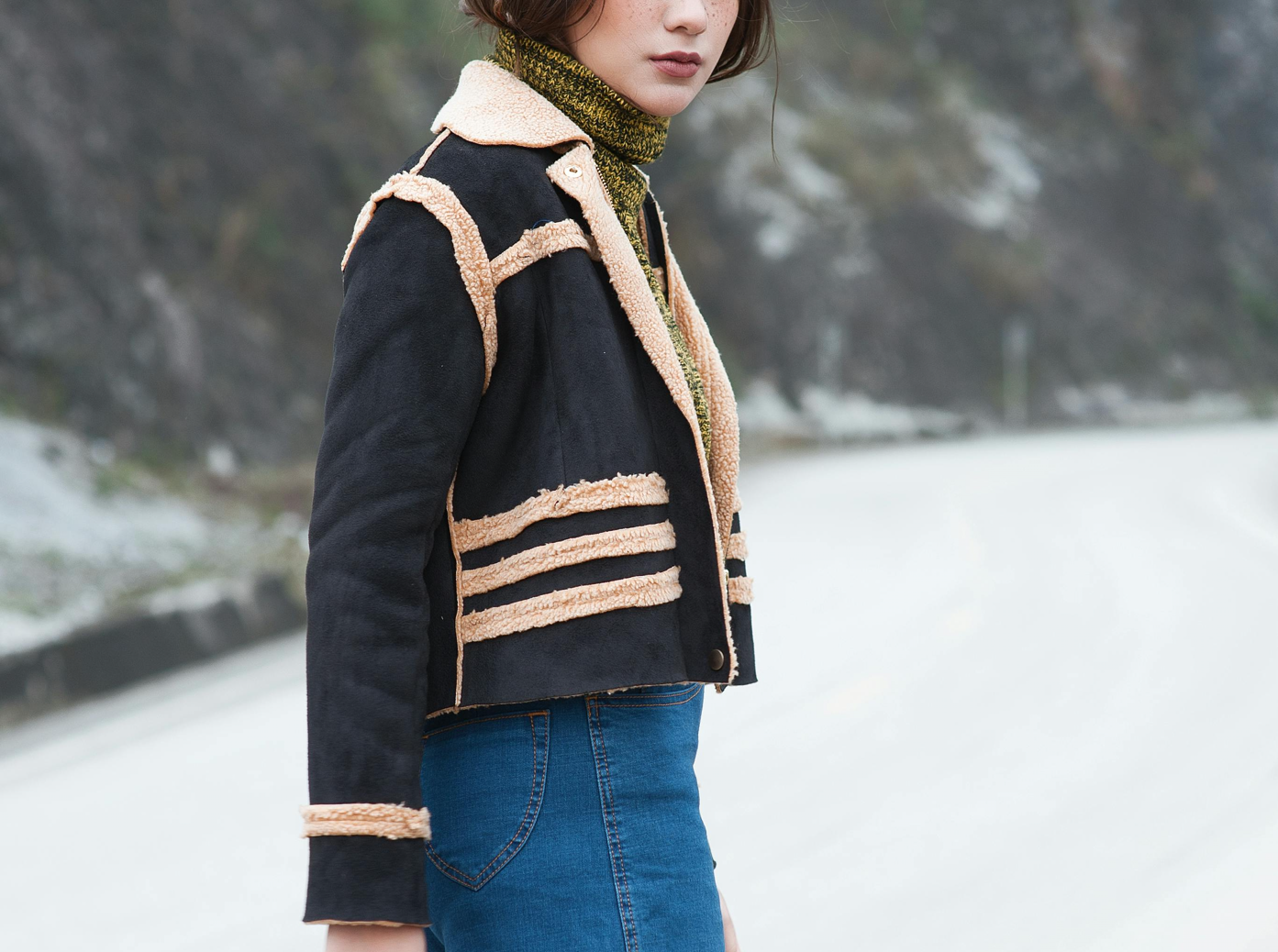
Texture becomes a primary design tool in FW26:
- Wool, leather, and technical fabrics combined
- Matte and sheen contrasts
- Structured vs. soft surfaces
This creates depth without relying on bold patterns.
Real-World Translation
Practical texture layering includes:
- Pairing smooth outerwear with textured knitwear
- Mixing structured trousers with soft tops
- Limiting combinations to two or three textures per outfit
The objective is controlled complexity.
Evaluation
- Wearability: High
- Versatility: High
- Longevity: Strong
Texture layering aligns well with both minimalist and expressive wardrobes.
Trend #5: Statement Outerwear (Refined Edition)
Runway Interpretation
Outerwear remains central, but FW26 emphasizes:
- Clean silhouettes
- Subtle design innovations
- High-quality materials
Statements are made through cut and proportion, not decoration.
Real-World Translation
For everyday wear:
- Invest in one standout coat
- Keep the rest of the outfit understated
- Focus on fit and proportion rather than trend-driven details
This ensures outerwear enhances rather than dominates.
Evaluation
- Wearability: High
- Versatility: Moderate
- Longevity: High
A well-chosen coat offers strong return on investment.
Trend #6: Hybrid Footwear
Runway Interpretation
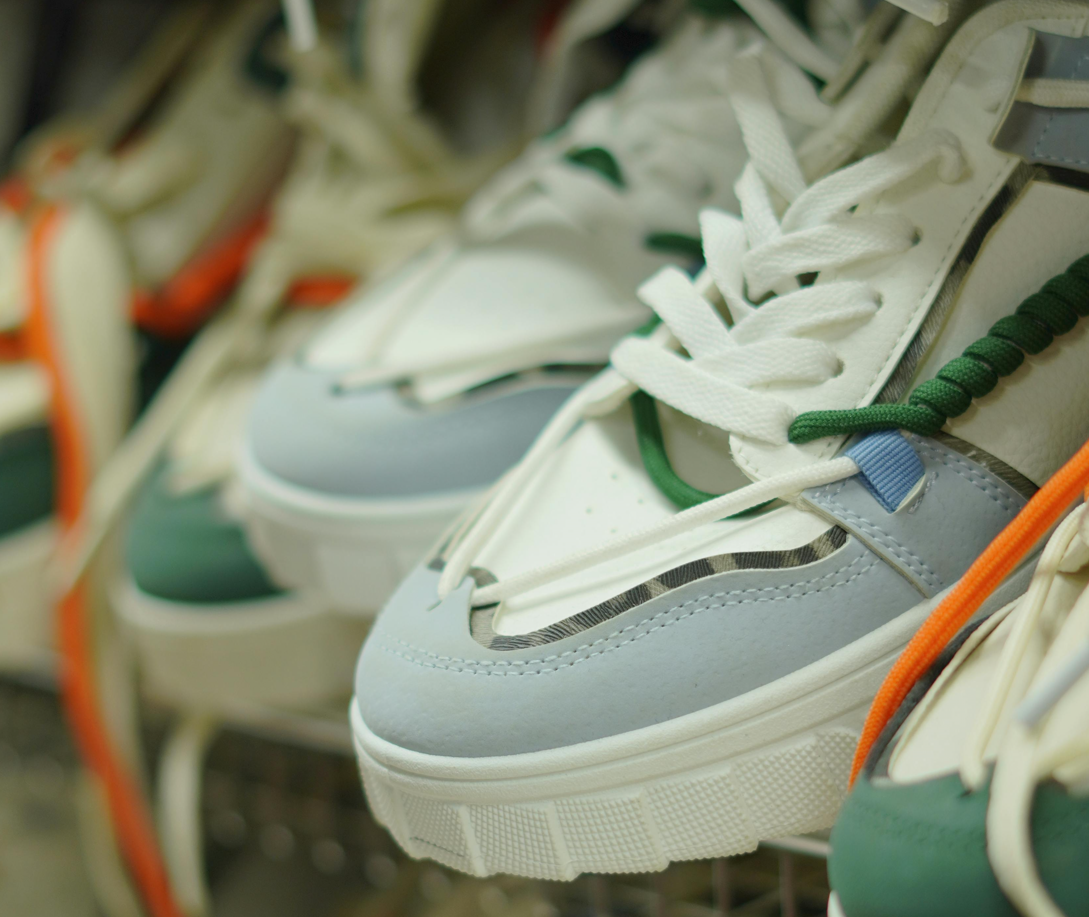
Footwear in FW26 blends categories:
- Sneaker-boot hybrids
- Formal shoes with technical soles
- Casual silhouettes with luxury materials
This reflects the demand for multi-functional footwear.
Real-World Translation
Adoption strategies include:
- Choosing footwear that bridges formal and casual contexts
- Prioritizing comfort without sacrificing design
- Limiting overly experimental designs
Evaluation
- Wearability: High
- Versatility: Excellent
- Longevity: Moderate
Hybrid footwear is practical but requires careful selection to avoid short-lived trends.
The Translation Framework: Turning Trends into Wardrobe Decisions
To effectively integrate FW26 trends, a structured approach is essential.
Step 1: Identify Core Needs
Evaluate:
- Daily activities
- Climate conditions
- Existing wardrobe gaps
Trends should support, not disrupt, these factors.
Step 2: Prioritize Compatibility
Each new piece must:
- Work with at least three existing items
- Fit within your established style direction
- Maintain functional relevance
Step 3: Limit Trend Density
Avoid incorporating multiple trends in a single outfit. This preserves:
- Visual clarity
- Styling flexibility
- Long-term usability
Common Pitfalls in Runway Translation
Over-Interpretation
Attempting to replicate runway looks often leads to impractical outfits. The goal is adaptation, not duplication.
Ignoring Proportion
Runway proportions are exaggerated. Without adjustment, they can appear unbalanced in daily contexts.
Trend Saturation
Adopting too many trends simultaneously reduces coherence and accelerates obsolescence.
Investment Strategy: Where to Spend and Where to Adapt
High-Value Investments
- Outerwear
- Tailoring
- Footwear
These categories offer:
- Longevity
- Versatility
- High visual impact
Flexible Categories
- Knitwear
- Accessories
- Seasonal color pieces
These allow for experimentation without significant financial commitment.
The Role of Personal Style in FW26
FW26 trends are inherently adaptable, but their success depends on individual interpretation.
Key considerations:
- Maintain consistency with your existing wardrobe
- Use trends to enhance, not redefine, your style
- Prioritize comfort and practicality
Personal style acts as a filter, ensuring trends are integrated selectively.
Final Evaluation: Which FW26 Trends Truly Matter?
Not all trends carry equal weight. Based on wearability and long-term relevance:
Most Valuable Trends:
- Relaxed tailoring
- Deep-tone color palettes
- Texture layering
Situational Trends:
- Elevated utility
- Hybrid footwear
Selective Investment:
- Statement outerwear
Conclusion: Bridging Vision and Reality
FW26 demonstrates that fashion no longer operates in isolation from real life. The most successful trends are those that acknowledge the complexity of modern living—balancing aesthetics, comfort, and adaptability.
Translating runway ideas into daily wardrobes requires:
- Critical evaluation
- Strategic selection
- Thoughtful styling
The result is not a diluted version of fashion, but a refined, functional expression of it.
Ultimately, the value of FW26 lies not in its visual impact on the runway, but in its ability to integrate seamlessly into everyday life—proving that modern fashion is at its best when it is both aspirational and attainable.