 modacritic
For nearly half a decade, “quiet luxury” has dominated the upper tiers of fashion discourse. Defined by restraint, material excellence, and the rejection of overt branding, it emerged as both a reaction to logo-saturated maximalism and a reflection of broader cultural recalibration. But as we move deeper into 2026, a critical question surfaces: has quiet luxury reached its natural endpoint, or is it simply evolving into something less easily categorized?
This report approaches the question not through speculation, but through category-based evaluation, consumer behavior analysis, and runway-to-retail translation. Rather than declaring quiet luxury “over” or “alive,” the goal is to assess its current operational relevance—how it performs today across design, retail, and real-world wardrobes.
Defining Quiet Luxury: A System, Not a Trend
Before evaluating its future, it is essential to clarify what quiet luxury actually represents.
Quiet luxury is not merely:
- Neutral color palettes
- Minimal branding
- Expensive materials
It is a design philosophy built on three core principles:
- Material Primacy – Fabric quality as the primary differentiator
- Construction Integrity – Tailoring and craftsmanship over embellishment
- Visual Restraint – Subtlety in silhouette and detail
This framework allowed quiet luxury to transcend seasonal cycles. It positioned itself as timeless rather than trendy, which complicates any attempt to declare its “retirement.”
The Rise (2020–2024): Why Quiet Luxury Became Dominant
Quiet luxury did not emerge in isolation. Its rise was driven by overlapping cultural and economic forces:
Post-Excess Correction
After years of logo-heavy streetwear and influencer-driven consumption, consumers began to seek authenticity and longevity. Quiet luxury offered a credible alternative.
Economic Sensibility
In uncertain economic conditions, high-spending consumers shifted toward discreet value signaling—investing in quality without overt display.
Digital Fatigue
As social media aesthetics became increasingly saturated, understated fashion gained appeal as a form of visual relief.
Evaluation of the Rise
Quiet luxury succeeded because it aligned with both practical needs and psychological shifts. It was not imposed by designers; it was validated by consumers.
The Peak (2024–2025): When Subtlety Became Uniform
At its peak, quiet luxury achieved near-total saturation in high-end fashion.
Indicators of Peak Saturation
- Widespread adoption across luxury brands
- Mass-market reinterpretations
- Homogenization of silhouettes and color palettes
What began as a refined alternative gradually became predictable.
The Paradox of Popularity
The more quiet luxury spread, the less distinctive it became. When everyone adopts restraint, restraint loses its signaling power.
Evaluation of the Peak
Quiet luxury’s greatest strength—its universality—became its primary limitation. By 2025, it risked becoming aesthetic monotony rather than sophistication.
2026 Reality Check: Is Quiet Luxury Declining?
Evidence of Shift
In 2026, several indicators suggest a transition rather than a collapse:
- Reintroduction of color and pattern in high-end collections
- Increased emphasis on individuality and personal styling
- Growth of niche aesthetics alongside mainstream minimalism
However, these shifts do not equate to abandonment.
What Is Actually Changing
Quiet luxury is losing its position as a dominant narrative, but it remains a baseline standard. In other words:
- It is no longer the statement
- It is the foundation
Evaluation
Quiet luxury is not retiring—it is normalizing. Its principles have been absorbed into the broader fashion ecosystem.
The Emergence of “Expressive Refinement”
If quiet luxury defined the early 2020s, 2026 is characterized by what can be described as expressive refinement.
Key Characteristics
- Retention of high-quality materials
- Introduction of controlled visual interest
- Greater emphasis on individuality
This evolution allows consumers to maintain sophistication while reintroducing personality and variation.
Examples of the Shift
- Tailored pieces in richer, more varied color palettes
- Subtle pattern integration (pinstripes, micro-checks)
- Accessories that add contrast without overwhelming the outfit
Evaluation
Expressive refinement represents a maturation of quiet luxury, not a rejection. It builds on its foundation while addressing its limitations.
Category Analysis: How Quiet Luxury Performs in 2026
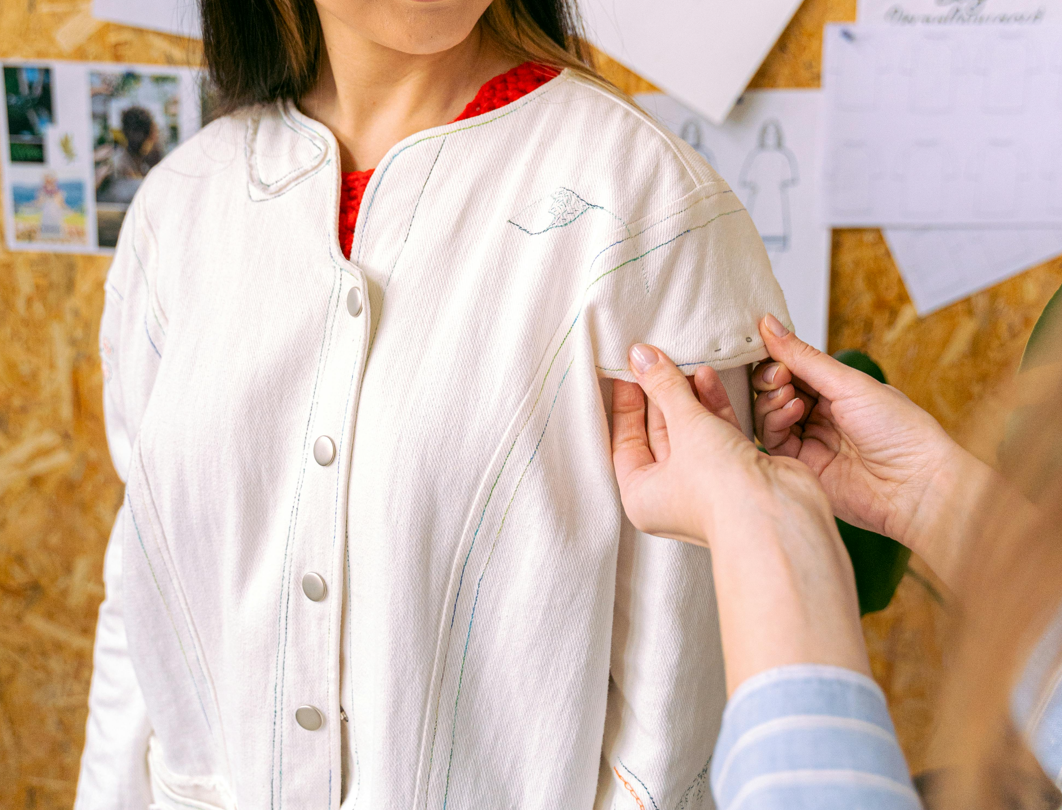
Tailoring
Tailoring remains the strongest domain for quiet luxury principles:
- Clean lines
- Precise construction
- Neutral palettes
However, 2026 tailoring introduces:
- Softer structures
- Slightly relaxed proportions
- Occasional color variation
Verdict: Quiet luxury remains dominant but less rigid.
Knitwear
Knitwear continues to embody material excellence, but:
- Texture variation is increasing
- Color experimentation is more common
Verdict: Transitioning toward expressive refinement.
Outerwear
Outerwear shows the most visible evolution:
- More diverse silhouettes
- Increased use of technical fabrics
- Greater stylistic range
Verdict: Quiet luxury influence is diluted but still present.
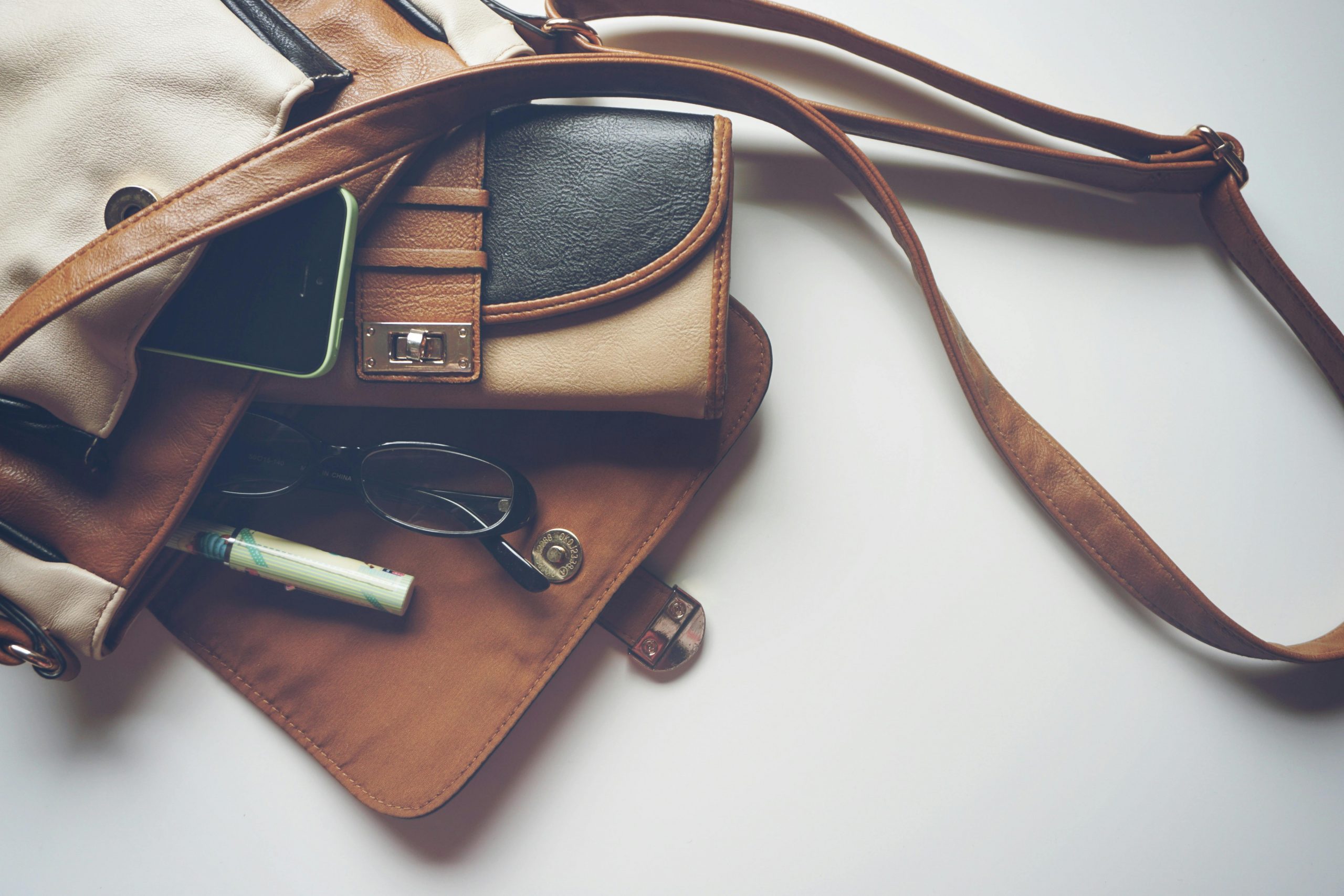
Accessories
Accessories are leading the departure from strict minimalism:
- Bolder shapes
- Subtle branding reintroduction
- Greater emphasis on individuality
Verdict: Moving beyond quiet luxury.
Consumer Behavior: The Deciding Factor
From Uniformity to Personalization
Consumers in 2026 are less interested in adhering to a single aesthetic. Instead, they prioritize:
- Flexibility
- Personal expression
- Contextual dressing
Investment Mindset Remains
Despite stylistic shifts, the core behaviors associated with quiet luxury persist:
- Preference for quality over quantity
- Focus on longevity
- Selective purchasing
Evaluation
The consumer has not abandoned quiet luxury values—they have expanded beyond them.
The Role of Social Media in 2026
Social media continues to shape fashion trends, but its influence has evolved:
- Micro-trends emerge and fade rapidly
- Niche aesthetics gain visibility
- Individual styling becomes more prominent
Quiet luxury struggles in this environment because:
- It is less visually distinctive
- It does not generate immediate impact
Evaluation
Digital culture favors variation and expression, accelerating the shift away from strict minimalism.
Investment Perspective: Should You Still Buy Into Quiet Luxury?
From a wardrobe strategy standpoint, quiet luxury remains highly relevant.
Strengths
- Timeless appeal
- High versatility
- Strong resale value
Limitations
- Risk of visual sameness
- Limited expressive range
Recommendation
Rather than abandoning quiet luxury, consumers should:
- Retain core pieces (tailoring, outerwear)
- Introduce variation through color, texture, and accessories
This approach ensures both longevity and relevance.
Common Misinterpretations in 2026
“Quiet Luxury Is Over”
This is an oversimplification. What is ending is its dominance, not its relevance.
“Maximalism Is Fully Back”
While elements of maximalism are returning, they are tempered by the discipline of quiet luxury.
“Minimalism Equals Boredom”
When executed well, minimalism remains one of the most sophisticated approaches to dressing.
Final Verdict: Evolution, Not Retirement
Quiet luxury is not retiring in 2026—it is transitioning from trend to infrastructure.
- It no longer defines fashion
- It underpins it
The future belongs to a hybrid approach:
- Quiet luxury as the foundation
- Expressive refinement as the differentiator
This shift reflects a broader maturation of fashion consumers. Rather than choosing between extremes, they are learning to balance restraint with individuality.