 modacritic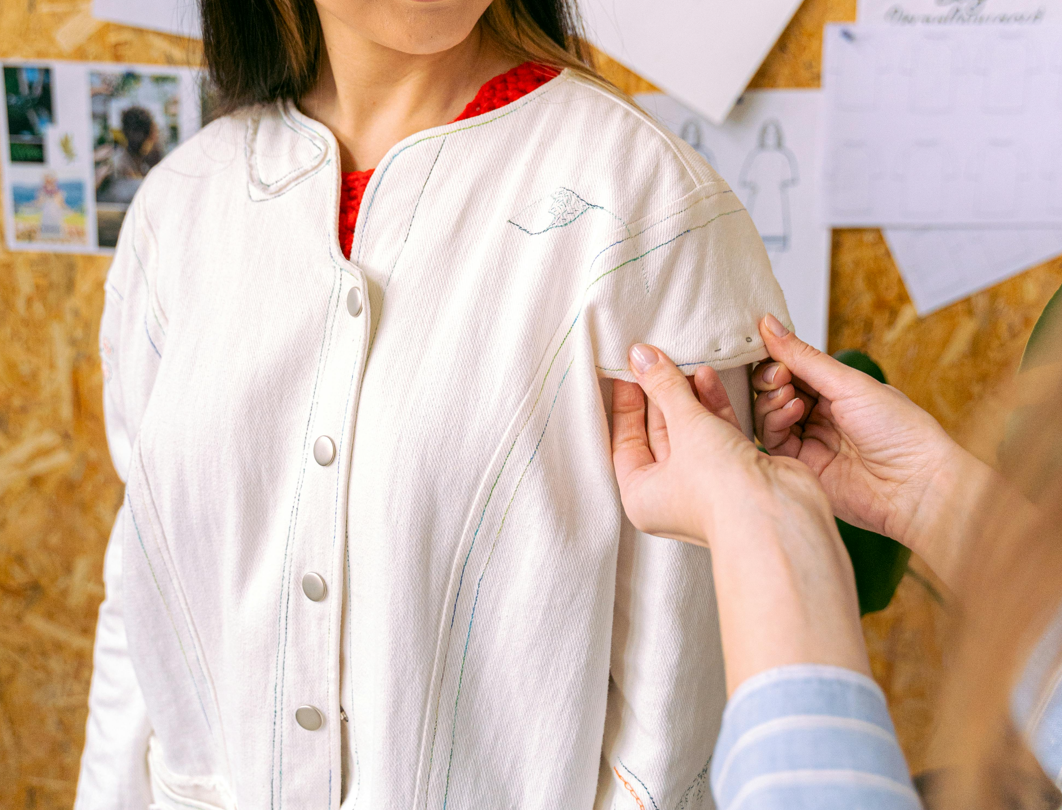
For much of the early 2020s, tailoring underwent a period of deliberate deconstruction. Oversized silhouettes, relaxed proportions, and softened structures redefined what formalwear could look like in a post-rigid, post-corporate landscape. However, as we enter 2026, a new evolution is taking shape—one that neither returns to traditional rigidity nor continues unchecked looseness. Instead, it introduces a refined middle ground: “soft armor.”
Soft armor represents a recalibration of tailoring. It merges the psychological assurance of structure with the physical comfort of modern fabrication, creating garments that feel protective without appearing aggressive. This article evaluates the rise of soft armor through a performance-oriented and design-critical framework, examining its construction, styling implications, and long-term relevance within contemporary wardrobes.
Defining “Soft Armor”: Structure Without Rigidity
Conceptual Foundation
Soft armor can be understood as tailoring that:
- Maintains form without stiffness
- Suggests protection without overt aggression
- Balances authority with approachability
It is less about visual dominance and more about subtle reinforcement of presence.
Key Design Principles
Soft armor tailoring is defined by:
- Light internal structuring rather than heavy canvassing
- Controlled shaping at the shoulders and waist
- Fabrics that hold form while allowing movement
Evaluation
Soft armor is not a trend in isolation—it is a response to both oversized fatigue and traditional tailoring constraints.
Historical Context: From Power Dressing to Deconstruction
The Era of Hard Structure
In the late 20th century, tailoring emphasized:
- Strong shoulder pads
- Defined waistlines
- Rigid construction
This created a sense of authority but often sacrificed comfort.
The Oversized Shift
The 2010s and early 2020s introduced:
- Relaxed fits
- Dropped shoulders
- Minimal internal structure
While liberating, this approach sometimes lacked precision and intentionality.
The Emergence of Soft Armor
Soft armor synthesizes these two extremes:
- Retaining structure where it matters
- Eliminating unnecessary rigidity
Evaluation
This evolution reflects a broader shift toward balanced design thinking.
Construction Analysis: How Soft Armor Is Built
Shoulder Engineering
The shoulder is the defining feature:
- Light padding replaces heavy structure
- Natural slope is preserved
- Subtle lift enhances posture
This creates a silhouette that feels supported rather than imposed.
Fabric Selection
Soft armor relies heavily on fabric innovation:
- Mid-weight wool blends
- Stretch-infused tailoring materials
- Technical fabrics with structure retention
These fabrics allow garments to:
- Maintain shape
- Adapt to movement
- Improve comfort
Internal Structure
Unlike traditional tailoring:
- Canvassing is reduced or partially fused
- Linings are lighter or selectively applied
- Construction focuses on flexibility
Evaluation
Soft armor construction achieves a high balance between durability, comfort, and visual clarity.
Performance Review: Real-World Functionality
Comfort and Mobility
Soft armor significantly improves:
- Range of motion
- Breathability
- All-day wearability
Compared to traditional tailoring, it feels less restrictive without losing form.
Visual Impact
Soft armor delivers:
- Clean, defined silhouettes
- Subtle authority
- Modern refinement
It avoids the extremes of both rigid tailoring and oversized casualwear.
Versatility
These garments transition effectively between:
- Professional environments
- Social settings
- Travel scenarios
Evaluation
- Wearability: Excellent
- Versatility: High
- Aesthetic Relevance: Strong
- Longevity: High
Soft armor is one of the most practically successful tailoring developments in recent years.
Styling Soft Armor: Precision Without Effort
Integration with Casual Elements
Soft armor works particularly well when paired with:
- Knitwear
- Minimal sneakers
- Relaxed trousers
This creates a balanced, contemporary look.
Monochromatic Approaches
Using tonal palettes enhances:
- Silhouette clarity
- Visual cohesion
- Perceived sophistication
Layering Potential
Soft armor garments are ideal for layering:
- Lightweight coats over structured blazers
- Knitwear under tailored jackets
Evaluation
Styling soft armor requires restraint and proportional awareness, rather than complexity.
Comparison: Soft Armor vs Oversized Tailoring
Oversized Tailoring
Strengths:
- Comfort
- Visual statement
Weaknesses:
- Lack of structure
- Reduced versatility
Soft Armor Tailoring
Strengths:
- Balanced silhouette
- Broader applicability
- Refined aesthetic
Weaknesses:
- Less dramatic visual impact
Conclusion
Soft armor offers a more sustainable and adaptable approach to tailoring.
Comparison: Soft Armor vs Traditional Tailoring
Traditional Tailoring
Strengths:
- Strong structure
- Formal authority
Weaknesses:
- Limited comfort
- Reduced flexibility
Soft Armor Tailoring
Strengths:
- Enhanced comfort
- Modern silhouette
- Greater versatility
Weaknesses:
- Slightly reduced formality
Conclusion
Soft armor bridges the gap between heritage and innovation.
Consumer Perspective: Why Soft Armor Resonates
Lifestyle Alignment
Modern consumers require:
- Comfort for long days
- Flexibility across environments
- Ease of movement
Soft armor addresses these needs directly.
Psychological Appeal
The concept of “armor” resonates as:
- A sense of protection
- A reinforcement of confidence
- A subtle assertion of presence
Investment Value
Soft armor garments offer:
- High cost-per-use
- Long-term relevance
- Broad styling potential
Common Mistakes in Adopting Soft Armor
Over-Structuring
Adding too much structure defeats the purpose and reverts to traditional rigidity.
Poor Fabric Choices
Low-quality materials compromise both comfort and appearance.
Ignoring Fit
Even soft armor requires precise tailoring to achieve its intended effect.
Investment Strategy: Building a Soft Armor Wardrobe
Key Pieces
- Unstructured blazer with light shoulder definition
- Tailored trousers with relaxed drape
- Lightweight outerwear with subtle structure
Color Considerations
- Neutral tones enhance versatility
- Deep colors add presence without excess
Rotation Strategy
- Combine soft armor pieces with existing wardrobe staples
- Avoid over-investing in a single silhouette
Industry Outlook: The Future of Tailoring
Soft armor is likely to influence:
- Luxury tailoring houses
- Contemporary menswear brands
- Women’s tailoring segments
Its principles may extend into:
- Outerwear
- Hybrid garments
- Performance tailoring
Final Verdict: A New Standard for Modern Tailoring
Soft armor is not a temporary adjustment—it represents a fundamental shift in how tailoring is conceived and executed.
- It preserves structure without rigidity
- It enhances comfort without sacrificing form
- It aligns with modern lifestyle demands
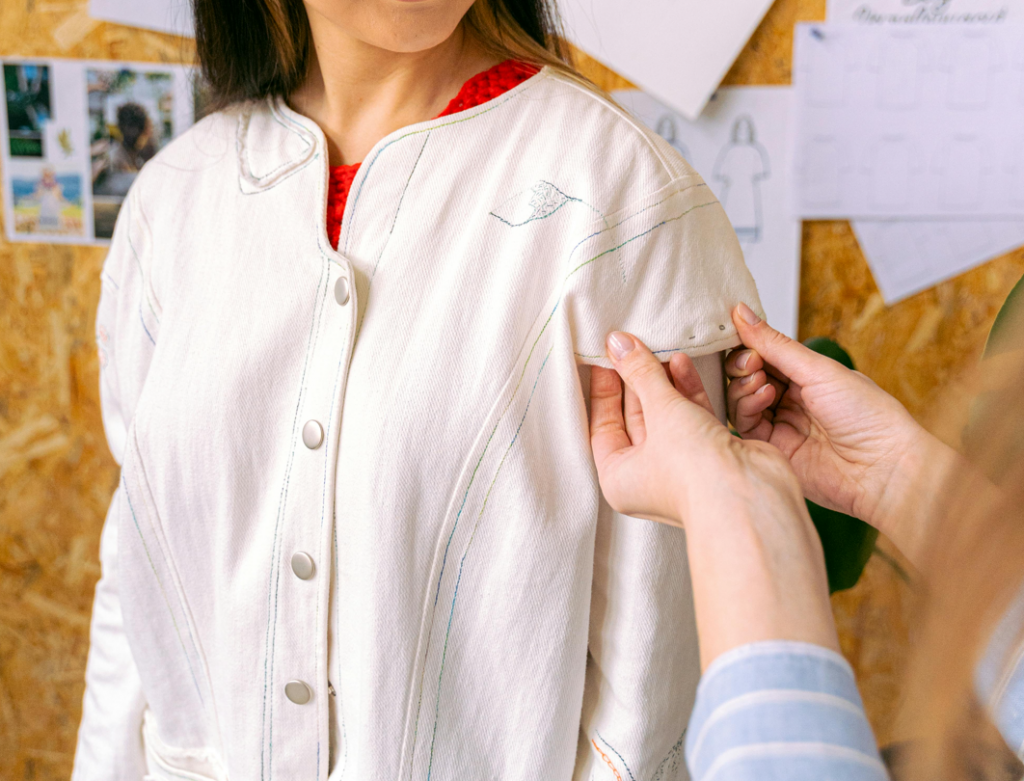
Conclusion: Redefining Strength in Fashion
The rise of soft armor reflects a broader cultural shift. Strength is no longer expressed through overt dominance or exaggerated form. Instead, it is communicated through:
- Control
- Precision
- Subtlety
In 2026, tailoring is no longer about imposing structure—it is about supporting the wearer.
Soft armor embodies this philosophy, offering a model for future design that is both practical and refined. It is not merely an evolution of tailoring, but a redefinition of its purpose.
And in that sense, soft armor is not just a trend—it is the next logical stage in the ongoing dialogue between fashion, function, and identity.