 modacritic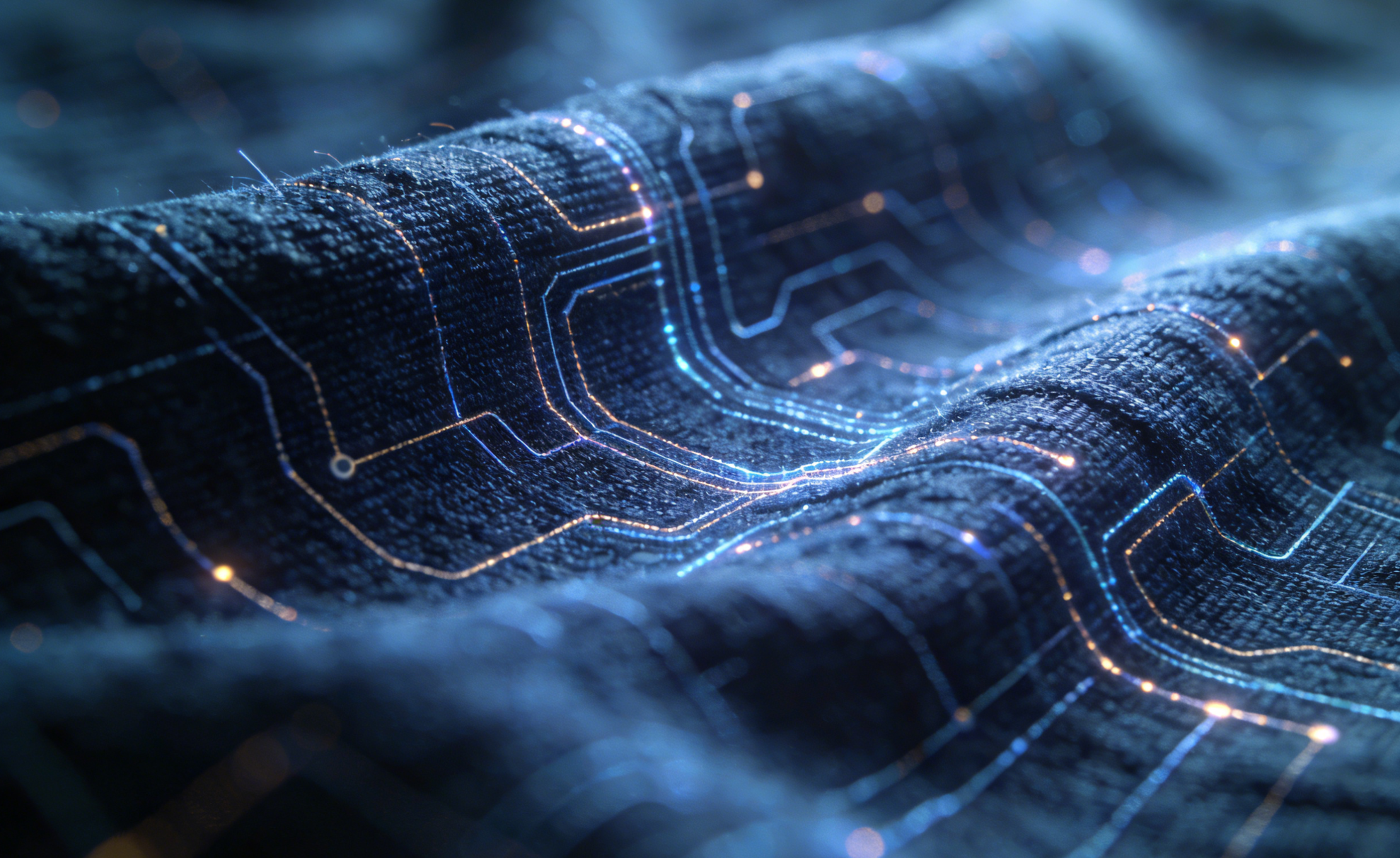
The concept of the “digital coat” has long existed at the intersection of fashion speculation and technological ambition. For years, smart fabrics were positioned as the inevitable future of clothing—garments capable of regulating temperature, monitoring health, adapting to environments, and even interacting with digital ecosystems. Yet, despite continuous innovation, adoption has remained uneven, and consumer skepticism persists.
As we move into 2026, the question is no longer whether smart fabrics are possible, but whether they are practically viable, aesthetically integrated, and commercially relevant. This review evaluates smart fabrics through a performance-based and fashion-critical framework, assessing whether the industry is truly ready to transition from novelty to necessity—and whether the “digital coat” is finally approaching mainstream reality.
Defining Smart Fabrics: Beyond Marketing Terminology
Before evaluating their readiness, it is essential to clarify what qualifies as a smart fabric. The term is often used loosely, but in a technical context, smart fabrics fall into three primary categories:
Passive Smart Fabrics
These materials respond to environmental conditions without active input:
- Moisture-wicking textiles
- Temperature-reactive fibers
- UV-sensitive materials
They improve comfort but do not involve embedded technology.
Active Smart Fabrics
These incorporate functional components such as:
- Embedded sensors
- Conductive fibers
- Energy-harvesting elements
They can monitor or respond to user data.
Ultra-Smart Fabrics
The most advanced category includes:
- Integrated microelectronics
- Connectivity to digital devices
- Adaptive systems capable of autonomous response
This is where the concept of the “digital coat” truly emerges.
The Promise of the Digital Coat
At its theoretical peak, the digital coat offers a fully integrated wearable system capable of:
- Regulating body temperature dynamically
- Monitoring health metrics in real time
- Adapting insulation based on environmental data
- Connecting to smartphones or smart ecosystems
In essence, it transforms outerwear from a passive layer into an interactive interface between the body and the environment.
Performance Evaluation: Where Smart Fabrics Stand in 2026
Thermal Regulation
One of the most promising areas is adaptive insulation. Modern smart fabrics can:
- Adjust heat retention based on body temperature
- Improve comfort across fluctuating climates
However, current limitations include:
- Inconsistent responsiveness
- Dependence on power sources in advanced systems
Verdict: Promising, but not yet fully reliable.
Comfort and Wearability
Despite technological advancements, comfort remains a critical barrier.
Challenges include:
- Increased garment weight due to embedded components
- Reduced flexibility compared to traditional fabrics
- Potential discomfort from rigid elements
Premium designs have improved significantly, but they still lag behind high-quality natural fibers in tactile experience.
Verdict: Acceptable in controlled designs, but not universally competitive.
Durability and Maintenance
Smart fabrics introduce new durability concerns:
- Sensitivity to washing and environmental stress
- Risk of component failure
- Limited repair options
Unlike traditional garments, which can age gracefully, smart garments often face functional degradation.
Verdict: One of the weakest areas limiting adoption.
Aesthetic Integration
For smart fabrics to succeed in fashion, they must integrate seamlessly into design.
Recent improvements include:
- Invisible embedding of technology
- Cleaner silhouettes
- Reduced visual “tech” cues
However, many designs still lean toward utilitarian aesthetics, limiting their appeal in high-fashion contexts.
Verdict: Improving, but not yet fully aligned with luxury expectations.
Fashion Perspective: Can Technology Become Invisible?
The core challenge of smart fabrics is not technological—it is aesthetic integration.
In luxury fashion, value is derived from:
- Material quality
- Craftsmanship
- Visual refinement
Technology, by contrast, introduces:
- Complexity
- Potential visual disruption
- Shorter lifecycle expectations
For the digital coat to succeed, technology must become invisible, functioning as an enhancement rather than a focal point.
Consumer Readiness: Demand vs. Reality
Current Consumer Behavior
Most consumers prioritize:
- Comfort
- Versatility
- Longevity
Smart fabrics, while innovative, often compromise at least one of these factors.
Perceived Value
The value proposition of smart garments is still unclear:
- Are they fashion items or tech devices?
- Should they be replaced like electronics or maintained like clothing?
This ambiguity creates hesitation.
Price Sensitivity
Smart garments typically command premium pricing due to:
- Research and development costs
- Limited production scale
However, consumers expect both technological performance and luxury-level quality at this price point.
Comparative Analysis: Smart Fabrics vs. Traditional Materials
Natural Fibers (Wool, Cashmere)
Strengths:
- Superior comfort
- Proven durability
- Timeless aesthetic
Weaknesses:
- Limited adaptability
Technical Performance Fabrics
Strengths:
- Lightweight
- Weather-resistant
- Highly functional
Weaknesses:
- Less refined appearance
Smart Fabrics
Strengths:
- Adaptive capabilities
- Integration with digital systems
- Innovation potential
Weaknesses:
- Durability concerns
- Higher cost
- Limited aesthetic maturity
Use Case Analysis: Where Smart Fabrics Make Sense
Urban Commuting
Smart fabrics offer:
- Temperature adaptability
- Convenience
However, benefits must outweigh complexity.
Outdoor and Performance Environments
This is where smart fabrics perform best:
- Extreme conditions justify advanced functionality
- Users are more tolerant of technical aesthetics
Luxury and Everyday Fashion
This remains the most challenging domain:
- High expectations for comfort and design
- Low tolerance for visible technology
The Sustainability Question
Smart fabrics complicate sustainability:
Positives
- Potential for energy efficiency
- Reduced need for multiple garments
Negatives
- Electronic waste
- Difficult recycling processes
- Shorter product lifecycles
From a sustainability perspective, smart fabrics remain ambiguous at best.
Investment Perspective: Should Consumers Buy In?
When It Makes Sense
- Early adopters interested in technology
- Users with specific performance needs
- Environments requiring adaptive functionality
When It Does Not
- Minimalist wardrobes focused on longevity
- Consumers prioritizing tactile comfort
- Those seeking timeless design
Industry Outlook: What Needs to Improve
For the digital coat era to become viable, several developments are necessary:
Integration
Technology must be:
- Lighter
- More flexible
- Fully embedded
Durability
Smart fabrics must:
- Withstand regular use and washing
- Offer repairability
Design
Fashion integration must reach:
- Luxury-level refinement
- Minimal visual disruption
Final Verdict: Are We Ready for the Digital Coat Era?
The answer, in 2026, is not yet—but closer than ever.
Smart fabrics have progressed from conceptual novelty to functional prototypes, and in some cases, niche products. However, they have not yet achieved the balance of performance, comfort, durability, and design required for widespread adoption.
- Technologically, the foundation exists
- Commercially, the market is emerging
- Aesthetically, the integration is incomplete
Conclusion: Evolution Before Revolution
The digital coat will not arrive as a sudden transformation. Instead, it will emerge gradually through:
- Incremental improvements in fabric technology
- Better integration with traditional design principles
- Increased consumer familiarity and trust
For now, smart fabrics should be viewed as an experimental frontier rather than a finished solution.
The future of fashion may indeed be intelligent, responsive, and connected—but in 2026, the smartest choice for most consumers remains a well-made, thoughtfully designed garment enhanced by selective innovation, rather than fully defined by it.