 modacritic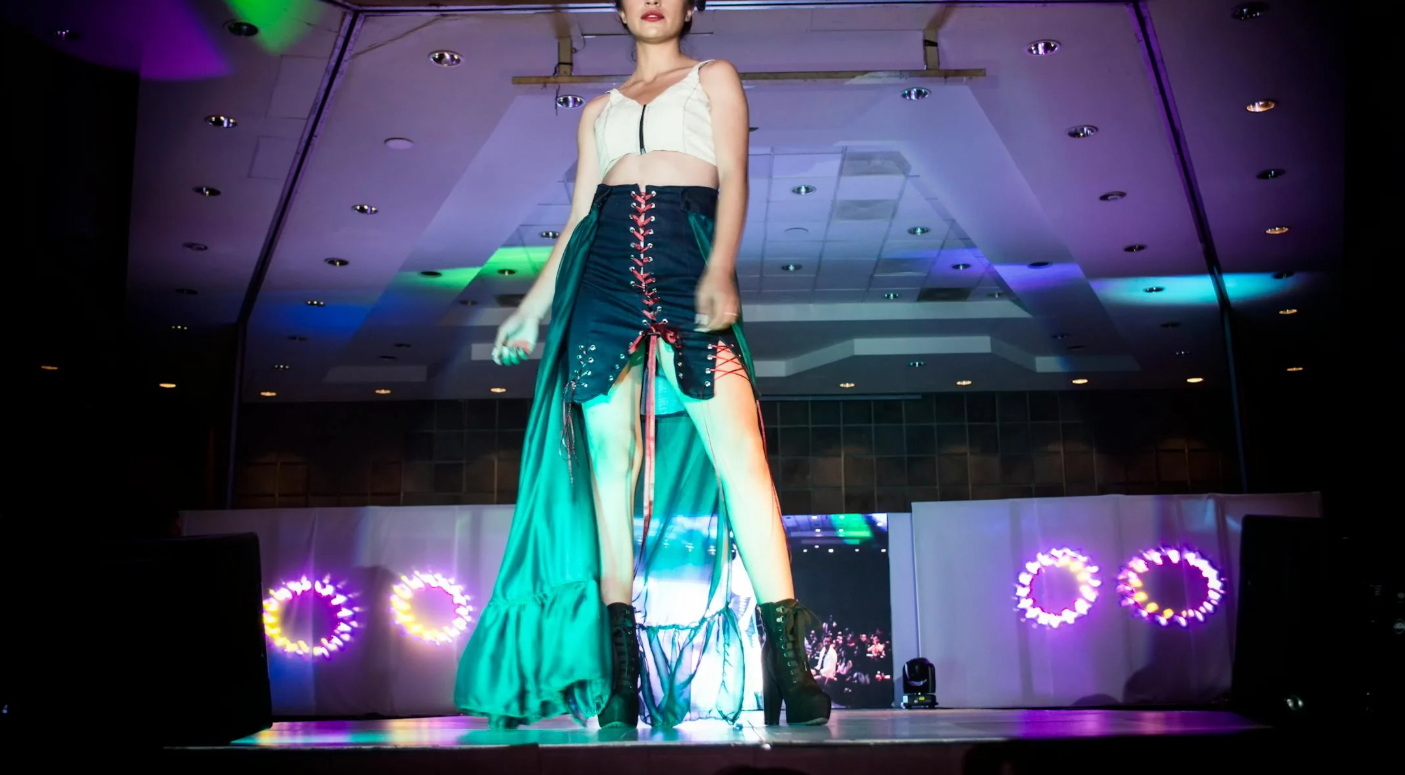
Introduction: When High Fashion Meets Daily Reality
Every fashion season presents the same fundamental question: What actually survives beyond the runway?
While Fashion Week remains the industry’s most theatrical stage—where creativity, provocation, and conceptual design flourish—the true test of any trend lies in its ability to transition into everyday wardrobes.
The 2025 Fashion Week cycle, spanning New York, London, Milan, and Paris, offered a particularly revealing answer. Designers across luxury and contemporary houses appeared less interested in spectacle for its own sake and more focused on wearability with intention. The result was a season defined by refinement, modularity, and practical elegance.
This article evaluates the most influential 2025 runway trends and critically examines how—and whether—they translate into real-life dressing. Rather than trend-chasing, the focus here is on functional adaptation, cost-per-wear value, and long-term relevance.
The 2025 Fashion Week Mindset: A Shift Toward Practical Luxury
From Conceptual Excess to Functional Design
The last decade saw an explosion of avant-garde fashion driven by digital virality. In contrast, 2025 signaled a recalibration. Designers increasingly embraced:
- Purpose-driven silhouettes
- Layerable constructions
- Transitional day-to-night pieces
- Materials suitable for extended wear
This evolution reflects a consumer base that values fashion not as performance, but as a daily utility refined by aesthetics.
Why Wearability Became the Core Metric
Post-pandemic consumption habits continue to influence design philosophy. Buyers—particularly in the premium and luxury segments—are now asking:
- Can this be styled multiple ways?
- Does it suit both professional and personal contexts?
- Will it remain relevant in two or five years?
The 2025 runways responded with clarity.
Trend One: Relaxed Tailoring and the New Power Silhouette
Runway Interpretation
Across Milan and Paris, tailoring softened. Sharp power suits gave way to fluid blazers, elongated trousers, and relaxed shoulders. Brands such as Bottega Veneta, The Row, and Saint Laurent presented tailoring that emphasized movement rather than rigidity.
Everyday Translation
In real life, relaxed tailoring proves highly adaptable:
- Oversized blazers function as outerwear or office staples
- Wide-leg trousers offer comfort without sacrificing polish
- Soft-structured jackets suit hybrid work environments
Practical Evaluation
Strengths
- High versatility
- Gender-neutral appeal
- Excellent cost-per-wear potential
Limitations
- Requires careful proportion balancing
- Lower-quality versions can lose structure quickly
Overall, relaxed tailoring represents one of the most successful runway-to-reality trends of 2025.
Trend Two: Elevated Neutrals and Tonal Dressing
Runway Interpretation
Designers leaned heavily into tonal palettes—camel, stone, charcoal, deep navy, and muted olive dominated collections in all four fashion capitals. Rather than minimalism as absence, neutrals were used as a canvas for texture and layering.
Everyday Translation
Tonal dressing is inherently wearable:
- Simplifies outfit coordination
- Enhances perceived quality
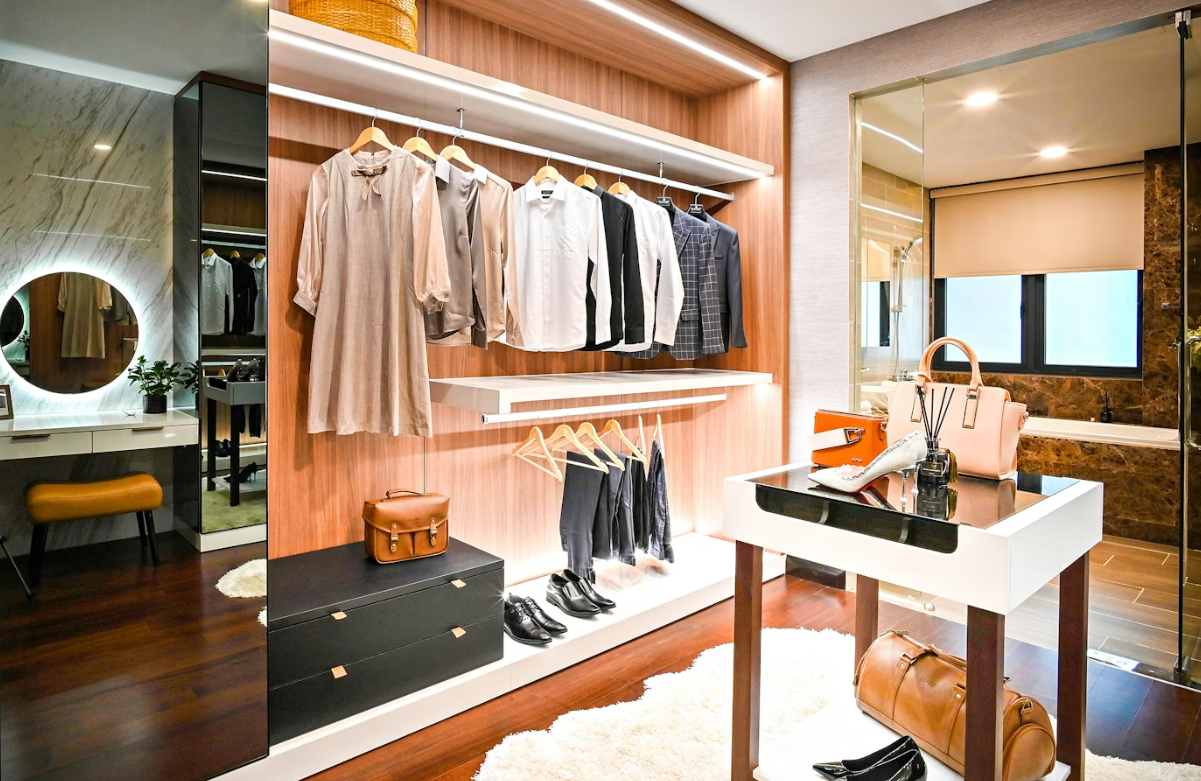
- Allows investment in fewer, better pieces
Practical Evaluation
Strengths
- Universally flattering
- Easy to integrate into existing wardrobes
- Strong alignment with quiet luxury aesthetics
Limitations
- Relies on fabric quality to avoid appearing flat
- Fast-fashion interpretations often lack depth
This trend favors consumers who prioritize refinement over novelty.
Trend Three: Modern Utility and Refined Workwear
Runway Interpretation
Cargo elements, utility pockets, and structured outerwear appeared throughout New York and London collections—but with a luxury twist. Fabrics were elevated, silhouettes streamlined, and functionality subtly integrated.
Everyday Translation
Utility fashion resonates strongly with daily wear:
- Cargo trousers styled with knitwear or tailoring
- Utility jackets replacing traditional blazers
- Functional details enhancing, not dominating, design
Practical Evaluation
Strengths
- High practicality
- Comfortable and movement-friendly
- Strong crossover between casual and smart-casual contexts
Limitations
- Overly literal interpretations can skew tactical
- Trend longevity depends on restraint
When executed with refinement, modern utility becomes a wardrobe workhorse.
Trend Four: Sheer Layers and Transparency—Adapted, Not Replicated
Runway Interpretation
Sheer fabrics—organza, chiffon, fine mesh—featured prominently, often layered or styled provocatively. On the runway, transparency conveyed vulnerability and modern sensuality.
Everyday Translation
Direct replication is impractical for most consumers. However, adaptation makes the trend wearable:
- Sheer blouses layered over tanks
- Transparent skirts worn with structured underlayers
- Lightweight overlays for evening wear
Practical Evaluation
Strengths
- Adds dimension without bulk
- Effective for transitional seasons
- Offers styling flexibility
Limitations
- Limited applicability in conservative settings
- Requires intentional layering
This trend succeeds when interpreted as accent, not centerpiece.
Trend Five: Statement Outerwear as the Outfit Anchor
Runway Interpretation
Coats, capes, and structured outerwear dominated runways, often styled over minimalist bases. The message was clear: outerwear is no longer an afterthought—it is the outfit.
Everyday Translation
This trend translates seamlessly:
- Long coats elevate basic ensembles
- Statement jackets reduce the need for excessive styling
- Seasonal layering becomes more intentional
Practical Evaluation
Strengths
- Immediate visual impact
- Strong resale and longevity potential
- Suitable for varied climates
Limitations
- Higher upfront investment
- Storage and care considerations
Outerwear remains one of the most rational luxury purchases.
Trend Six: Footwear Grounded in Reality
Runway Interpretation
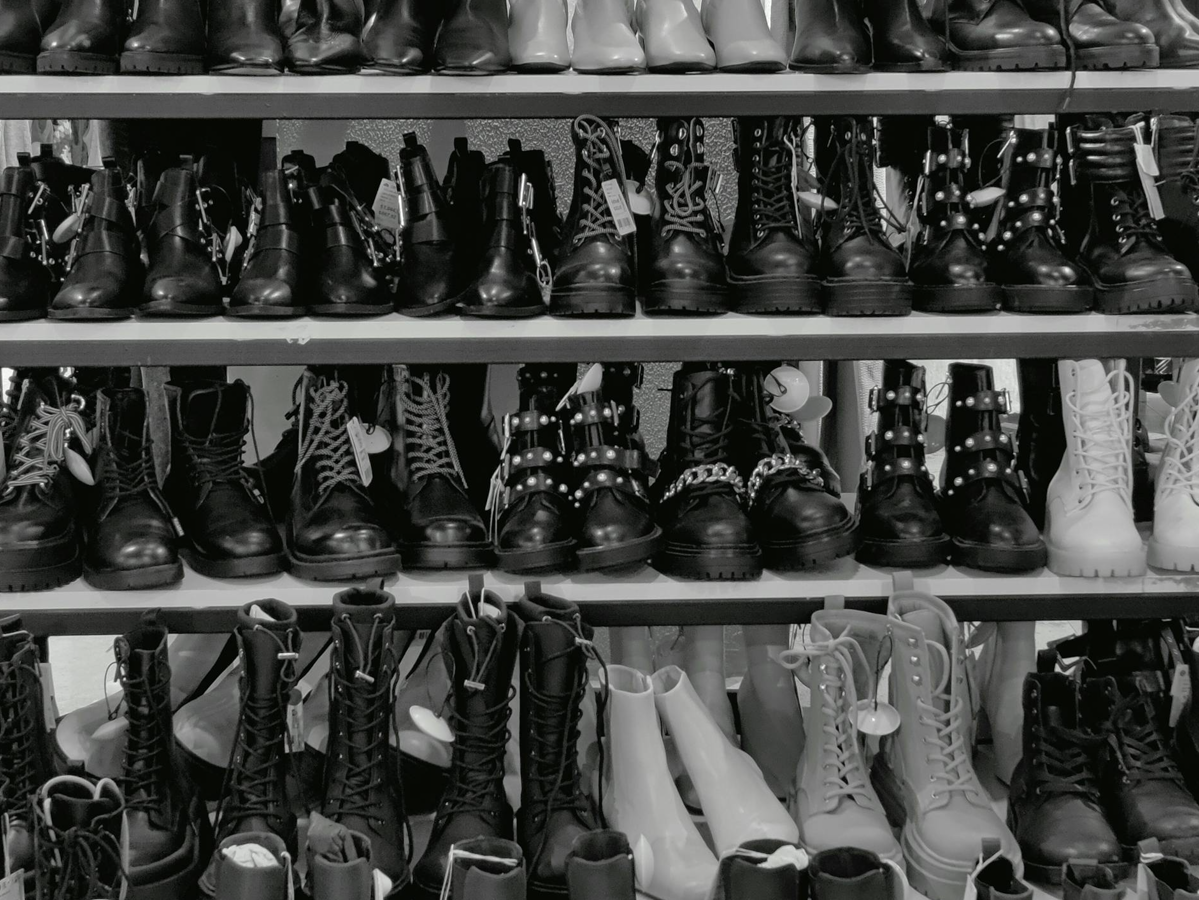
Heels took a back seat to flats, loafers, refined sneakers, and low-profile boots. Comfort and stability were central design concerns.
Everyday Translation
This trend reflects real consumer demand:
- Loafers replacing pumps in professional settings
- Ballet flats reinterpreted with modern structure
- Sneakers styled with tailoring
Practical Evaluation
Strengths
- Daily usability
- Health-conscious design
- High repeat wear frequency
Limitations
- Risk of aesthetic oversaturation
- Design differentiation becomes critical
Footwear in 2025 prioritizes function without sacrificing sophistication.
Trend Seven: Accessories as Subtle Enhancers, Not Statements
Runway Interpretation
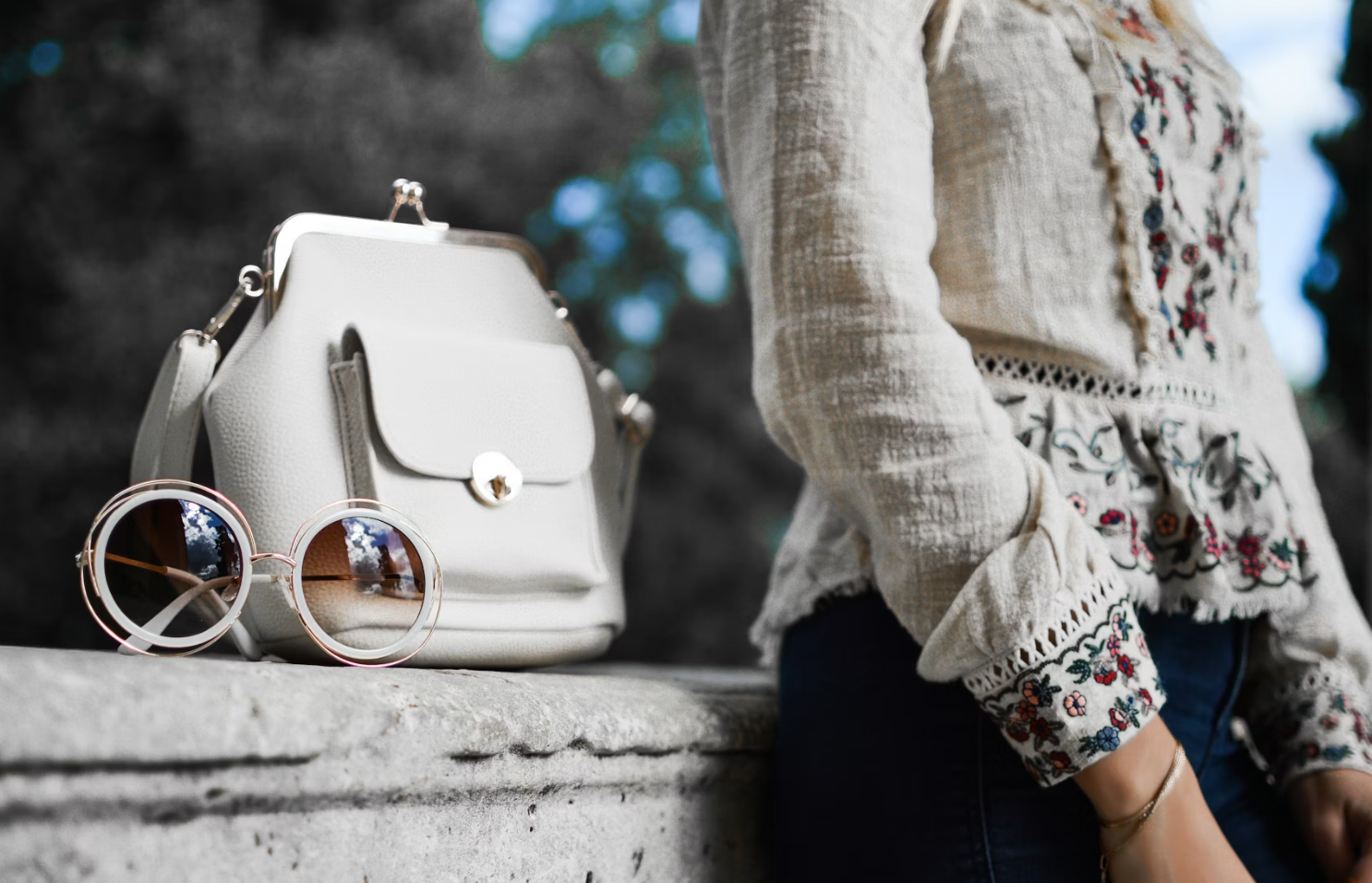
Accessories became quieter—structured leather bags, understated belts, and refined jewelry replaced overt logos and maximalist designs.
Everyday Translation
Subtle accessories integrate easily into daily wear:
- Neutral leather bags suit multiple contexts
- Minimal jewelry enhances without overwhelming
- Belts and scarves add quiet structure
Practical Evaluation
Strengths
- Long-term relevance
- Easier styling across outfits
- Strong alignment with minimalist wardrobes
Limitations
- Requires appreciation for detail
- Less immediate visual impact
This trend rewards discerning consumers over trend-driven buyers.
Why Some Runway Trends Never Translate
Not all runway concepts are designed for real life. Extreme proportions, impractical materials, and purely conceptual pieces serve creative purposes rather than functional ones.
Understanding this distinction is essential for consumers seeking inspiration—not imitation.
How Consumers Should Evaluate 2025 Trends
A practical framework for adoption:
- Assess Lifestyle Compatibility
- Prioritize Versatility
- Evaluate Fabric and Construction
- Consider Cost-Per-Wear
- Adapt, Don’t Replicate
Fashion Week offers direction, not instruction.
Final Verdict: 2025 Is the Year Fashion Becomes Livable Again
The most compelling aspect of 2025 Fashion Week was not any single trend, but a collective commitment to real-life relevance. Designers acknowledged that modern consumers demand beauty that functions, luxury that lasts, and trends that respect daily realities.
For those willing to engage critically—rather than impulsively—2025 offers one of the most wearable fashion landscapes in recent memory.
Fashion has not become simpler.
It has become smarter.
Conclusion
Runway fashion will always be aspirational. But in 2025, aspiration no longer exists in opposition to practicality. Instead, it enhances it.
By translating runway ideas into adaptable, wearable forms, this season reaffirms fashion’s original purpose: to serve life, not overshadow it.
For consumers, editors, and critics alike, the message is clear—style in 2025 begins not on the runway, but in how intelligently it is worn.