 modacritic
Introduction: Looking Back at a Year of Fashion Consumption
As the fashion industry closes the chapter on 2025, one question inevitably rises to the surface for both consumers and critics alike: What was actually worth the money?
In an era marked by economic uncertainty, accelerated trend cycles, and heightened awareness of value, fashion spending has become increasingly intentional. The conversation has shifted away from novelty and toward justification. Every purchase, whether a luxury investment or a budget-friendly experiment, now carries an implicit evaluation of return—practical, emotional, and aesthetic.
This year-end review does not aim to celebrate excess or condemn consumption. Instead, it offers a measured assessment of where fashion spending in 2025 delivered genuine value—and where it quietly failed to do so. By examining key categories, purchasing behaviors, and long-term performance, this article seeks to answer a more meaningful question than “what was popular”:
What truly earned its place in the wardrobe?
The 2025 Consumer Mindset: Spending With Caution, Not Abstinence
A Shift From Impulse to Evaluation
2025 did not mark the end of fashion spending—but it did redefine how money was spent. Consumers across price tiers demonstrated greater discernment, driven by:
- Inflationary pressure and budget consciousness
- Fatigue with fast, disposable trends
- Growing emphasis on longevity and versatility
- Increased transparency around materials and production
Rather than buying less, many consumers bought more selectively.
Value as a Multi-Dimensional Concept
In 2025, value extended beyond price. Purchases were increasingly judged by:
- Cost-per-wear
- Material performance over time
- Styling flexibility
- Emotional satisfaction
- Alignment with personal identity
This broader framework reshaped what “worth it” truly meant.
Category One: Outerwear — The Year’s Strongest Investment
Why Outerwear Performed Exceptionally Well
Across luxury, premium, and even select mid-market brands, outerwear emerged as one of the most reliable categories for value retention in 2025.
Key reasons include:
- Daily wear frequency
- Seasonal longevity
- Visual impact with minimal styling effort
- Structural durability compared to other garments
Well-chosen coats and jackets consistently justified higher upfront costs.
What Was Worth the Money
- Tailored wool coats in neutral tones
- Structured trench coats with modern proportions
- High-quality leather jackets with minimal branding
These pieces demonstrated strong performance across both aesthetic and functional metrics.
What Fell Short
- Trend-driven puffers with exaggerated silhouettes
- Synthetic-heavy outerwear with poor insulation
- Statement coats lacking practical versatility
Outerwear proved its worth when timelessness outweighed trend appeal.
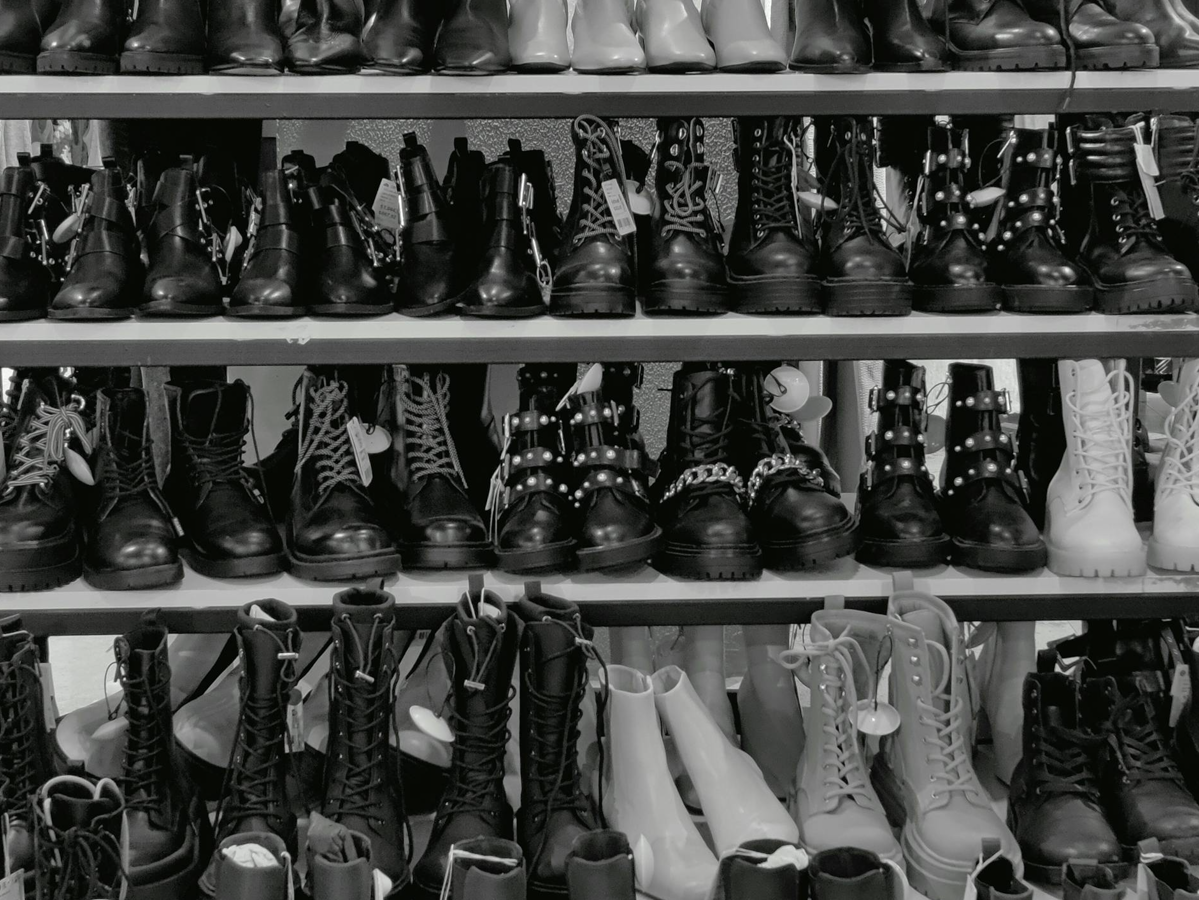
Category Two: Footwear — Fewer Pairs, Better Choices
The Decline of Novelty Footwear
In 2025, consumers showed reduced tolerance for uncomfortable or impractical shoes. The novelty heel and ultra-trendy silhouette lost momentum, replaced by a more grounded approach to footwear investment.
Worthwhile Purchases
- High-quality loafers suitable for professional and casual wear
- Minimalist sneakers with durable construction
- Boots designed for real weather conditions
These styles offered repeat wear and consistent comfort, translating into genuine value.
Regrettable Spending Patterns
- Shoes purchased for single events
- Low-quality trend footwear showing rapid wear
- Poorly constructed replicas of luxury designs
Footwear spending in 2025 rewarded restraint and research.
Category Three: Knitwear — Quiet Overperformance
Why Knitwear Exceeded Expectations
Knitwear quietly became one of the strongest categories in terms of cost efficiency. Consumers who invested in fine-gauge knits reported high satisfaction due to:
- Comfort across extended wear
- Adaptability to casual and semi-formal contexts
- Seasonal layering potential
What Delivered Real Value
- Cashmere and merino sweaters in classic cuts
- Neutral-toned cardigans suitable for layering
- Well-constructed knit dresses
These pieces integrated seamlessly into daily wardrobes and aged gracefully.
Common Disappointments
- Low-quality blends prone to pilling
- Trend-heavy knit designs with limited reuse
- Overpriced pieces lacking material distinction
Knitwear proved that subtlety often outperforms spectacle.
Category Four: Tailoring — Value Depends on Execution
Tailoring’s Mixed Performance in 2025
Tailored garments—blazers, trousers, suits—occupied a complicated space in 2025 spending reviews. When executed well, they ranked among the most valuable purchases. When executed poorly, they were among the most regretted.
Worth the Investment
- Soft tailoring adaptable to multiple dress codes
- High-quality trousers with excellent fit
- Blazers that functioned as both outerwear and layering pieces
Tailoring justified its cost when versatility was built into the design.
When Tailoring Failed
- Rigid suits with limited context relevance
- Poor fit without tailoring support
- Trend-driven proportions that dated quickly
Fit and adaptability proved decisive.
Category Five: Occasionwear — The Most Questioned Expense
Why Occasionwear Faced Scrutiny
Special-event clothing faced increased skepticism in 2025. With fewer large-scale formal events and greater emphasis on repeatability, consumers questioned the value of garments worn once or twice.
What Was Worth Buying
- Dresses suitable for multiple occasions with restyling
- Evening tailoring with understated elegance
- Occasionwear that transitioned into non-festive settings
Common Regrets
- Highly specific event dresses
- Overly embellished pieces with limited reuse
- Poor-quality fabrics chosen for visual impact alone
Occasionwear only justified its cost when it extended beyond a single moment.
Category Six: Accessories — Small Purchases, Big Payoff
Why Accessories Offered Strong ROI
Accessories consistently ranked high in year-end satisfaction due to their ability to:
- Refresh existing wardrobes
- Elevate simple outfits
- Maintain usability across seasons
Best-Performing Items
- Structured leather bags in neutral tones
- Belts and scarves with understated design
- Minimal jewelry with strong craftsmanship
Accessories demonstrated how relatively modest spending can yield long-term value.
Fast Fashion vs. Investment Pieces: The 2025 Reality Check
Where Fast Fashion Made Sense
Fast fashion purchases were most successful when used strategically:
- Basics with simple construction
- Trend experimentation without long-term expectation
- Temporary wardrobe gaps
Where It Failed
- Core wardrobe items
- Outerwear and footwear
- Anything expected to last beyond a season
Consumers increasingly recognized that cheap does not always mean economical.
Emotional Value: The Invisible Metric of Worth
One of the most revealing aspects of 2025 spending was the role of emotional satisfaction. Garments that aligned with personal identity and lifestyle consistently ranked higher in perceived value—regardless of price.
Conversely, trend-driven purchases made without intention often resulted in regret, even when inexpensive.
Fashion value in 2025 was as much psychological as financial.
What 2025 Taught Us About Smart Fashion Spending
Key takeaways from the year include:
- Versatility outperforms novelty
- Quality compounds over time
- Fit matters more than brand
- Emotional connection increases longevity
- Fewer purchases often yield greater satisfaction
These principles transcended price categories and aesthetic preferences.
Final Verdict: What Was Truly Worth the Money in 2025?
The most worthwhile fashion spending in 2025 shared several defining traits:
- Adaptable across contexts
- Built with quality materials
- Designed with longevity in mind
- Aligned with individual lifestyle rather than trends
Conversely, the least rewarding purchases were those driven by urgency, visibility, or short-term relevance.
Fashion proved most valuable when treated not as consumption—but as curation.
Conclusion
The year 2025 did not eliminate fashion indulgence, but it refined it. Spending became quieter, more deliberate, and more accountable. The concept of “worth it” evolved from a reaction to price into a reflection of performance over time.
As the industry moves forward, the lessons of 2025 remain clear:
Style is not measured by how much is bought, but by how well it lasts—physically, aesthetically, and emotionally.
In the end, the best fashion investments were not the loudest.
They were the ones that stayed.