 modacritic
Introduction: The Rise of Quiet Luxury in a Noisy Fashion World
In recent years, global fashion has undergone a profound aesthetic recalibration. Amid an era once dominated by conspicuous logos, bold graphics, and overt brand signaling, a quieter, more restrained movement has steadily taken center stage. This movement—commonly referred to as Quiet Luxury—has reshaped not only how luxury looks, but also how it is perceived, evaluated, and consumed.
Quiet luxury is not a trend in the conventional sense. Rather, it represents a philosophical shift: an emphasis on craftsmanship over branding, material integrity over visual excess, and longevity over momentary hype. From runway collections in Milan and Paris to the wardrobes of high-net-worth individuals and cultural tastemakers, minimalism has become the new marker of discernment.
This article offers a comprehensive evaluation of quiet luxury as a dominant force in global fashion—examining its origins, defining characteristics, key brands, consumer psychology, and long-term implications for the luxury market.
What Is Quiet Luxury? A Definition Beyond Minimalism
Quiet luxury is often misunderstood as simply “minimal fashion.” In reality, it is far more nuanced. While minimalism describes an aesthetic, quiet luxury defines a value system.
At its core, quiet luxury prioritizes:
- Exceptional materials (cashmere, virgin wool, silk, fine leather)
- Precision tailoring and construction
- Subtle design language devoid of obvious logos
- Timeless silhouettes resistant to trend cycles
- Cultural and financial capital as implicit status markers
Unlike logo-centric luxury, quiet luxury is designed to be recognized only by those who know. Its appeal lies in discretion, restraint, and confidence rather than spectacle.
Historical Context: From Old Money Aesthetics to Modern Relevance
Roots in Heritage Dressing
The foundations of quiet luxury can be traced back to early 20th-century European aristocracy and American old-money circles. Dressing well was less about display and more about propriety, fit, and fabric. Tailored suits, neutral palettes, and understated accessories communicated status without the need for overt branding.
Reaction Against Logo Saturation
The late 1990s and early 2000s marked the height of logo mania, when monogram prints and brand visibility became synonymous with success. While commercially lucrative, this era eventually led to market oversaturation and consumer fatigue.
Quiet luxury emerged as a counter-response—particularly among affluent consumers seeking differentiation not through visibility, but through discernment.
The Cultural Forces Driving Quiet Luxury’s Popularity
Wealth Without Explanation
In today’s digital economy, wealth is no longer exclusively inherited or visible. Many high earners in technology, finance, and creative industries prefer anonymity. Quiet luxury aligns seamlessly with this mindset, offering elegance without exhibitionism.
The “Stealth Wealth” Narrative
Popularized by television series such as Succession, the concept of stealth wealth reframed luxury as something intentionally understated. Characters dressed in unbranded Loro Piana caps and perfectly tailored coats sparked widespread interest in clothing that signals wealth subtly rather than loudly.
Post-Pandemic Consumption Shifts
After years of uncertainty, consumers began reassessing value. Longevity, comfort, and emotional satisfaction replaced impulse-driven purchasing. Quiet luxury, with its emphasis on durability and timelessness, benefited directly from this recalibration.
Key Characteristics of Quiet Luxury Fashion
1. Material Superiority
Quiet luxury garments often justify their price through material quality alone. Examples include:
- Double-faced cashmere coats
- Full-grain, vegetable-tanned leather
- High-twist wool suiting fabrics
- Mulberry silk and fine merino knits
These materials age gracefully, reinforcing the idea of clothing as a long-term investment.
2. Invisible Branding
Logos, if present at all, are discreetly placed or entirely absent. The garment’s construction, cut, and drape serve as its signature.
3. Precision Tailoring
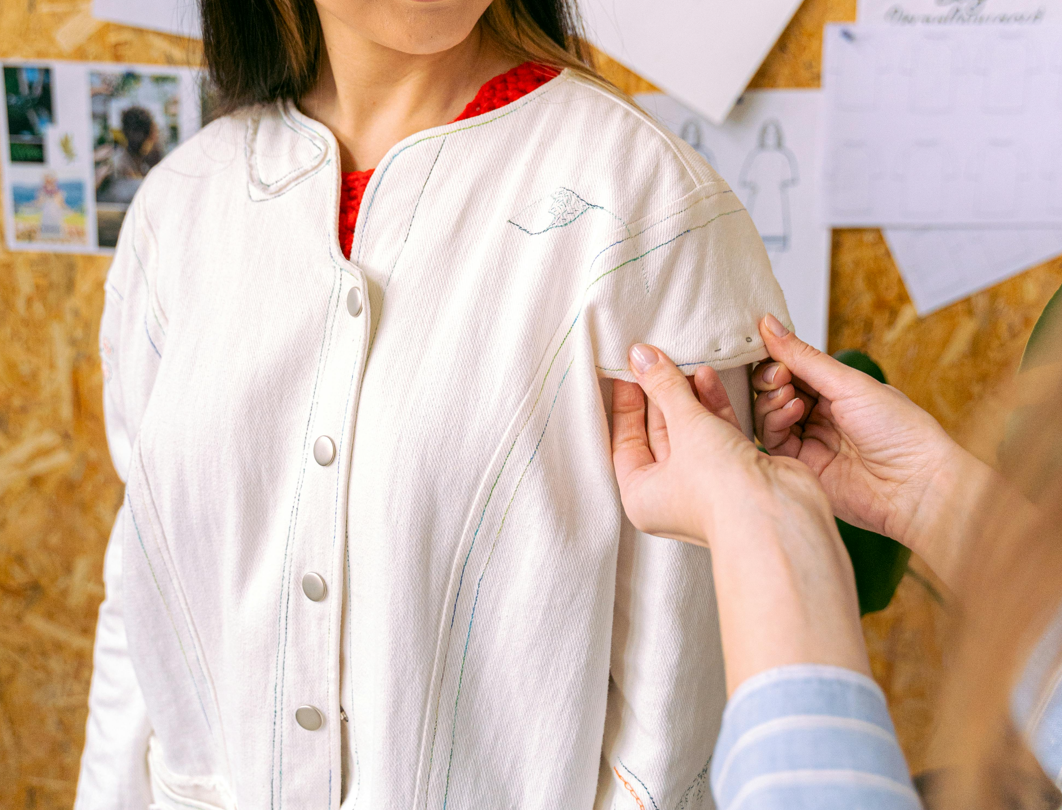
Fit is paramount. Quiet luxury relies on refined proportions, clean lines, and subtle detailing—elements that demand skilled craftsmanship rather than mass production.
4. Neutral and Muted Color Palettes
Camel, navy, charcoal, ivory, taupe, and black dominate quiet luxury collections. These tones enhance versatility and reduce visual noise.
Brands That Define Quiet Luxury
The Row
Founded by Mary-Kate and Ashley Olsen, The Row is often considered the benchmark for modern quiet luxury. The brand’s uncompromising approach to fabric sourcing and tailoring has earned it near-mythical status among fashion insiders.
Loro Piana
Renowned for its mastery of cashmere and vicuña, Loro Piana represents quiet luxury at its most literal—luxury you can feel, not see.
Brunello Cucinelli
Blending Italian craftsmanship with ethical production, Cucinelli offers refined silhouettes infused with a distinctly humanistic philosophy.
Totême, Jil Sander, and Khaite
These brands occupy a more contemporary space, translating quiet luxury principles into modern, wearable collections with architectural clarity.
Quiet Luxury vs. Traditional Luxury: A Comparative Evaluation
| Dimension | Traditional Logo Luxury | Quiet Luxury |
|---|---|---|
| Branding | Highly visible | Nearly invisible |
| Target Audience | Aspirational mass luxury | High-discretion consumers |
| Trend Dependency | Seasonal and cyclical | Timeless and enduring |
| Value Proposition | Status signaling | Quality and longevity |
| Resale Value | Volatile | Consistently strong |
This comparison highlights why quiet luxury is increasingly viewed as the evolved form of luxury consumption.
Consumer Psychology: Why Minimalism Feels More Luxurious Today
Quiet luxury resonates because it aligns with mature consumer psychology. It appeals to individuals who:
- Have surpassed the need for external validation
- Value autonomy and personal taste
- Prefer objects that integrate seamlessly into daily life
- Seek emotional return on investment rather than novelty
In essence, quiet luxury rewards confidence, not attention-seeking.
Is Quiet Luxury Truly Sustainable—or Just Another Aesthetic?
While quiet luxury promotes durability and reduced consumption, it is not inherently sustainable. Many brands still operate within traditional luxury supply chains.
However, the philosophy encourages:
- Fewer, better purchases
- Extended garment lifespans
- Repair and care culture
- Reduced trend-driven waste
When paired with ethical production practices, quiet luxury has the potential to become a genuinely responsible fashion model.
The Influence of Quiet Luxury on Mainstream Fashion
As with all luxury movements, quiet luxury’s influence has begun filtering down to premium and even mass-market brands. Clean silhouettes, neutral palettes, and logo reduction are increasingly visible across price tiers.
This diffusion raises a critical question: can quiet luxury remain exclusive once its aesthetic becomes widely accessible?
The answer lies in execution. While the look can be replicated, the quality rarely is.
Investment Perspective: Is Quiet Luxury Worth the Price?
From an evaluative standpoint, quiet luxury often demonstrates superior cost-per-wear metrics. High-quality materials, timeless design, and resale demand contribute to long-term value retention.
For consumers approaching fashion as an investment—both financial and emotional—quiet luxury offers a compelling proposition.
Final Verdict: Why Quiet Luxury Is Redefining Modern Fashion
Quiet luxury is not a fleeting trend—it is a recalibration of what luxury means in a global, post-digital, post-excess era. By shifting focus from visibility to value, from branding to craftsmanship, it has reestablished fashion as a discipline rooted in quality and intention.
For fashion consumers, critics, and brands alike, quiet luxury represents a return to fundamentals—where excellence speaks softly, but unmistakably.
In a world saturated with noise, minimalism is no longer absence. It is authority.

Conclusion
Quiet luxury’s dominance in global fashion reflects a deeper cultural shift toward restraint, discernment, and authenticity. As minimalism continues to shape consumer expectations, brands that invest in substance over spectacle are likely to define the next chapter of luxury.
The future of fashion, it seems, will not shout. It will whisper—and those who listen closely will understand its value.