 modacritic
Introduction: Dressing for Celebration in a Changing Fashion Landscape
The festive season has always occupied a unique position in the fashion calendar. Unlike seasonal trends driven by runways or retail cycles, holiday dressing is shaped by emotion, ritual, and social context. It is the moment when fashion intersects most visibly with memory—family gatherings, formal dinners, end-of-year celebrations, and symbolic transitions into a new year.
The 2025–2026 festive season arrives at a particularly interesting cultural moment. After years of accelerated trends, heightened casualization, and post-pandemic reevaluation of consumption, holiday fashion is no longer defined by excess alone. Instead, designers and consumers alike are gravitating toward intentional elegance: clothing that feels special without being wasteful, expressive without being impractical.
This article offers a critical review of holiday dressing for the 2025–2026 festive season. Rather than prescribing rigid outfit formulas, it evaluates what truly works—across materials, silhouettes, and occasions—when high expectations meet real-life wearability.
The 2025–2026 Festive Mood: Refinement Over Spectacle
From Maximalism to Considered Glamour
Holiday fashion has traditionally leaned toward visual excess: sequins, metallics, dramatic silhouettes, and statement pieces designed to stand out in low lighting and celebratory environments. While these elements have not disappeared, their role has shifted.
For 2025–2026, the prevailing mood is not restraint, but discernment. Celebration is expressed through quality, texture, and proportion rather than volume or novelty. The emphasis is on garments that feel elevated yet composed—pieces that signal festivity without sacrificing longevity.
Why the Shift Matters
This evolution reflects broader consumer priorities:
- Fewer but better purchases
- Clothing that transitions across multiple events
- Emotional value over trend validation
- Comfort integrated with polish
Holiday dressing is no longer about a single night. It is about versatility across an entire season.
Occasion-Based Holiday Dressing: Context Is Everything
Before evaluating individual trends, it is essential to acknowledge that festive dressing is highly contextual. A successful holiday wardrobe responds to where and how clothing will be worn.
Common 2025–2026 festive contexts include:
- Formal evening gatherings and galas
- Intimate family celebrations
- Corporate or semi-formal holiday events
- Destination holidays and travel-centric celebrations
Each context demands a different balance between expression and practicality.
Eveningwear Reconsidered: Elegant, Not Overstated
Silhouettes That Dominate the Season
For formal evening occasions, designers are favoring silhouettes that emphasize clean lines and controlled drama:
- Fluid column dresses with architectural details
- Softly structured tailoring for evening suits
- Bias-cut skirts and dresses that move naturally
Rather than overwhelming the wearer, these designs allow fabric and fit to do the work.
Materials That Elevate Without Excess
Key materials for evening holiday dressing include:
- Silk satin and silk crepe
- Velvet in restrained proportions
- Fine wool blends for tailored eveningwear
These fabrics photograph well, age gracefully, and avoid the costume-like effect often associated with overtly festive garments.
Practical Evaluation
Strengths
- High perceived luxury
- Timeless appeal beyond one season
- Suitable for multiple formal settings
Limitations
- Requires precise fit
- Lower-quality versions lose impact quickly
Eveningwear in 2025–2026 rewards investment and tailoring.
Day-to-Night Dressing: The True Test of Holiday Wear
Why Versatility Matters More Than Ever
The modern festive season rarely consists of isolated events. Lunch transitions into dinner, casual gatherings evolve into formal evenings, and travel often interrupts outfit changes.
As a result, garments that adapt across contexts offer the highest value.
Key Transitional Pieces
- Tailored trousers paired with elevated knitwear
- Midi dresses styled with boots by day and heels by night
- Soft blazers layered over dresses or silk tops
These pieces allow for subtle transformation without full outfit replacement.
Practical Evaluation
Strengths
- Excellent cost-per-wear
- Reduces packing and planning fatigue
- Aligns with minimalist wardrobes
Limitations
- Styling requires intentional accessory choices
- Less impact-driven than single-purpose outfits
Transitional dressing reflects maturity in both style and consumption.
Knitwear Takes Center Stage: Comfort as Luxury
Elevated Knits for Festive Settings
Knitwear has fully entered the festive conversation—not as a casual compromise, but as a legitimate luxury category.
For 2025–2026, festive knitwear focuses on:
- Fine-gauge cashmere
- Merino wool with sculptural shaping
- Subtle metallic threads or texture variation
When styled correctly, knitwear offers warmth, comfort, and refinement.
Styling Knitwear for Holidays
- Pair fine knits with tailored trousers or silk skirts
- Use monochromatic palettes to elevate appearance
- Emphasize fit and fabric quality
Practical Evaluation
Strengths
- High comfort during long gatherings
- Suitable for relaxed and semi-formal events
- Strong reusability beyond the festive season
Limitations
- Overly casual if poorly styled
- Requires careful fabric selection
Knitwear represents one of the smartest festive investments of the season.
Festive Tailoring: Soft Power Dressing
The Evolution of the Holiday Suit
Tailoring for the 2025–2026 festive season moves away from rigid formality. Instead, designers propose:
- Relaxed blazers with fluid drape
- Trousers with softened structure
- Evening-appropriate suits in wool-silk blends
Tailoring becomes expressive through cut and fabric rather than embellishment.
Who This Trend Serves Best
Festive tailoring is particularly effective for:
- Corporate holiday events
- Evening dinners requiring polish without glamour
- Individuals seeking alternatives to traditional partywear
Practical Evaluation
Strengths
- Gender-inclusive appeal
- Easy to restyle year-round
- Communicates confidence and authority
Limitations
- Requires attention to proportion
- Less forgiving fit than dresses
Tailoring offers a composed, modern approach to festive dressing.
Color Palettes: Beyond Traditional Festive Hues
Subdued Luxury Over Seasonal Clichés
While red, gold, and emerald remain present, the 2025–2026 festive palette expands into:
- Deep chocolate and espresso tones
- Soft champagne and stone neutrals
- Midnight blue and charcoal
These shades offer elegance without visual fatigue.
Why Color Restraint Works
Muted palettes:
- Enhance fabric texture
- Photograph more consistently
- Age better across seasons
Festive dressing no longer requires literal interpretation.
Accessories: Precision Over Excess
The Role of Accessories in Holiday Dressing
Accessories in 2025–2026 function as refinements, not focal points.
Key categories include:
- Structured leather bags in neutral tones
- Minimal jewelry with architectural detail
- Belts and footwear that anchor the outfit
Practical Evaluation
Strengths
- High reusability
- Easy to integrate into existing wardrobes
- Subtle enhancement of overall look
Limitations
- Requires appreciation for detail
- Less immediate visual drama
Accessories reward restraint and discernment.
Footwear: Style That Survives the Evening
Comfort as a Non-Negotiable
Holiday events often involve long periods of standing, socializing, and movement. Footwear choices reflect this reality.
Key trends include:
- Low to mid-height heels with stable bases
- Elegant flats with refined structure
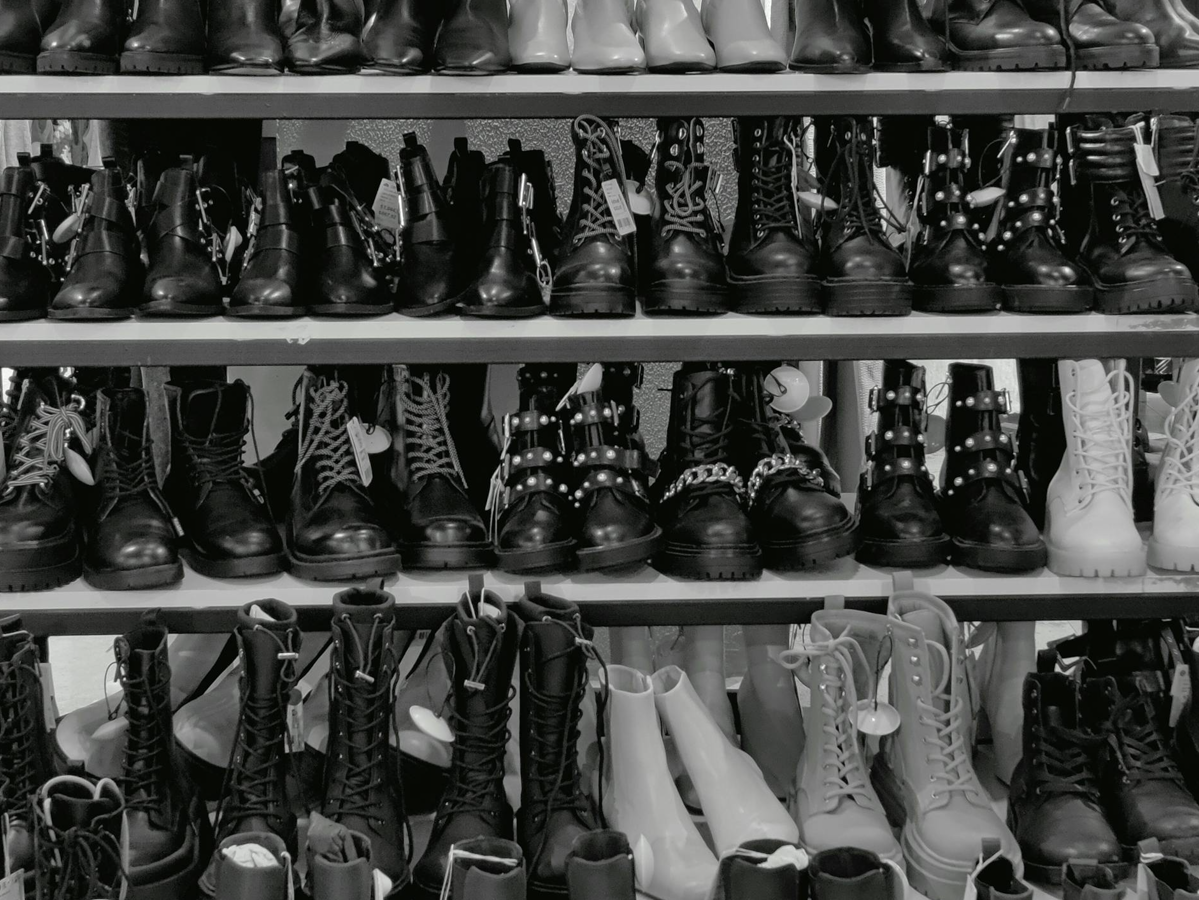
- Boots suitable for winter climates
Practical Evaluation
Strengths
- Supports extended wear
- Reduces outfit fatigue
- Aligns with contemporary lifestyle needs
Limitations
- Fewer dramatic silhouettes
- Design differentiation becomes essential
Footwear in 2025–2026 prioritizes longevity over spectacle.
Destination and Travel Dressing: Festivity in Motion
Dressing for Movement, Not Just Moments
Travel-centric holidays require garments that balance comfort, adaptability, and presentation.
Recommended approaches include:
- Layered outfits built around a core neutral palette
- Wrinkle-resistant fabrics
- Multipurpose outerwear
Practical Evaluation
Strengths
- High functionality
- Reduced packing volume
- Lower stress during transitions
Limitations
- Less event-specific glamour
- Requires thoughtful planning
Destination dressing reflects the realities of modern celebration.
Evaluating Holiday Fashion Through a Long-Term Lens
A successful festive wardrobe for 2025–2026 should meet several criteria:
- Occasion Adaptability
- Material and Construction Quality
- Emotional Resonance
- Post-Holiday Wearability
- Alignment With Personal Style
Holiday fashion is no longer disposable. Its value extends beyond the calendar.
Final Verdict: What Holiday Dressing Means Now
The 2025–2026 festive season marks a turning point in how we define celebration through clothing. Rather than excess for its own sake, fashion embraces intention, refinement, and emotional durability.
Holiday dressing succeeds when it feels:
- Special without being impractical
- Elegant without being rigid
- Expressive without being wasteful
The most compelling festive wardrobes are not built for attention—but for experience.

Conclusion
Holiday fashion will always carry a sense of occasion. What has changed is how that occasion is expressed. In 2025–2026, elegance is quieter, comfort is elevated, and style is measured by relevance rather than novelty.
The best holiday outfits are not remembered because they were extravagant.
They are remembered because they felt right.
And in a season defined by connection, that may be the most luxurious statement of all.