 modacritic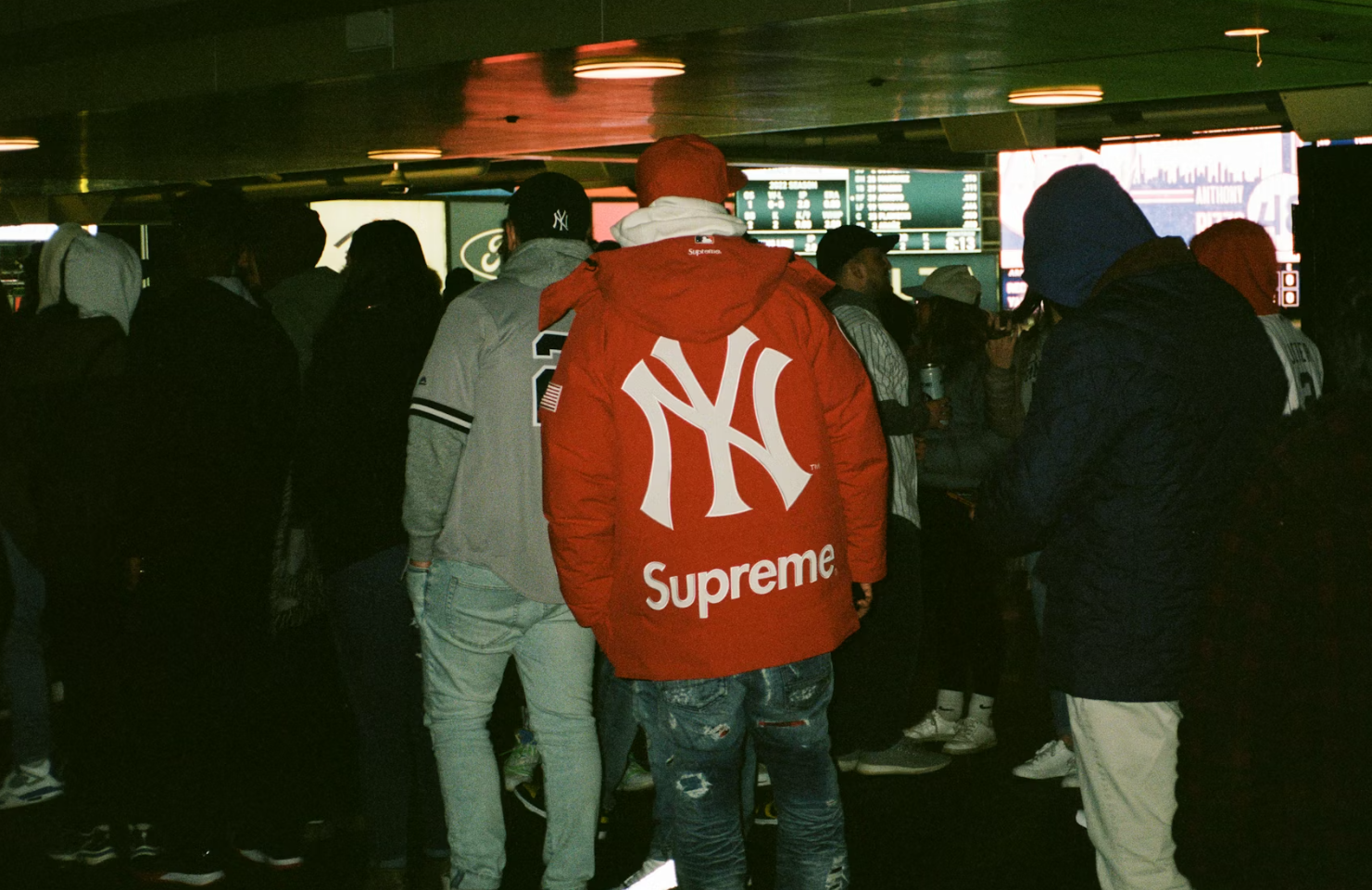
Introduction: When the Street Rewrote Fashion’s Rulebook
For much of modern fashion history, trends flowed in a single direction: from haute couture runways to luxury boutiques, and eventually to the masses. Designers dictated taste, consumers followed, and street style existed largely as an afterthought—observed, but rarely credited.
That hierarchy no longer exists.
Today, urban fashion does not merely reflect trends; it creates them. Street style has evolved into one of the most influential forces in the global fashion ecosystem, shaping runway collections, redefining luxury, and challenging traditional notions of taste, status, and authorship.
This article offers a critical evaluation of street style’s evolution—from subcultural expression to global trendsetter—analyzing how and why urban fashion gained its authority, what distinguishes it from runway fashion, and whether its current dominance represents genuine cultural progress or commercial assimilation.
Defining Street Style: More Than Casual Dressing
Street style is often reduced to a visual shorthand: sneakers, hoodies, oversized silhouettes. In reality, it is a cultural language, not a uniform.
At its core, street style is defined by:
- Grassroots origin rather than institutional design
- Direct connection to lived urban experiences
- Rapid evolution driven by communities, not seasons
- Personal styling over prescriptive rules
Unlike runway fashion, street style prioritizes authenticity, adaptability, and immediacy.
The Subcultural Foundations of Urban Fashion
Street Style as Identity, Not Trend
Street fashion did not originate as a trend vehicle—it emerged as a form of identity construction within marginalized or localized communities.
Key early influences include:
- Hip-hop culture in New York, where fashion expressed resistance, success, and self-definition
- Skate culture in California, blending functionality with anti-establishment aesthetics
- Punk movements in London, where clothing became a visual protest
These styles were not designed to be sold globally. They were created to communicate belonging, attitude, and autonomy.
The 1990s–2000s: Streetwear Enters the Mainstream
The Rise of Logo-Driven Streetwear
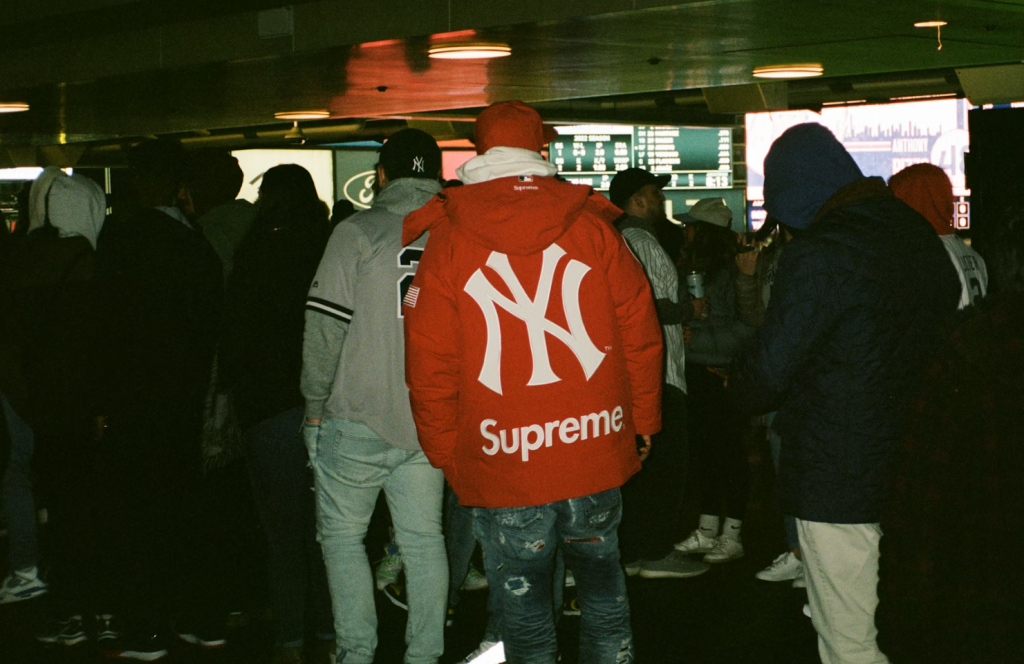
By the late 1990s, streetwear brands began formalizing what had previously been organic expression. Labels such as Supreme, Stüssy, and A Bathing Ape introduced scarcity, branding, and retail strategy into street fashion.
This era marked a critical transition:
- Street style became productized
- Logos replaced anonymity
- Subculture began intersecting with commerce
While controversial, this shift laid the groundwork for street fashion’s global scalability.
Street Style vs. Runway Fashion: A Structural Comparison
| Dimension | Street Style | Runway Fashion |
|---|---|---|
| Origin | Community-driven | Designer-led |
| Timeline | Continuous, real-time | Seasonal |
| Authority | Wearer | Institution |
| Purpose | Expression | Presentation |
| Adaptability | High | Moderate |
This contrast explains why street style gained momentum in the digital age—it operates on speed, relevance, and relatability.
The Role of Social Media: Street Style Goes Global
Democratization of Fashion Visibility
Instagram, TikTok, and street photography platforms dismantled fashion’s gatekeeping mechanisms. Suddenly, influence was no longer reserved for editors or buyers.
Street style thrived because it offered:
- Immediate visual impact
- Relatable styling
- Cultural diversity
- Real-world context
An outfit worn on a sidewalk could generate more influence than a couture look on a runway.
From Inspiration to Trend Engine
What began as documentation evolved into direction-setting. Designers now monitor street style deliberately, mining it for ideas, silhouettes, and cultural signals.
Luxury Fashion’s Response: Appropriation or Collaboration?
When the Runway Looked to the Street
By the 2010s, luxury brands could no longer ignore street fashion’s influence. The result was a wave of hybridization:
- Sneakers replacing dress shoes
- Hoodies entering luxury collections
- Casual silhouettes redefining formalwear
Creative directors increasingly adopted streetwear aesthetics as a way to maintain cultural relevance.
Evaluating the Impact
Positive Outcomes
- Expanded definitions of luxury
- Increased accessibility and cultural diversity
- Greater emphasis on wearability
Critical Concerns
- Commercial dilution of subcultures
- Loss of original context and meaning
- Street aesthetics used without community acknowledgment
The relationship remains productive—but ethically complex.
Street Style as a Global Language
Regional Variations, Shared Vocabulary
While street style is global, it is not homogeneous. Urban fashion adapts to local culture:
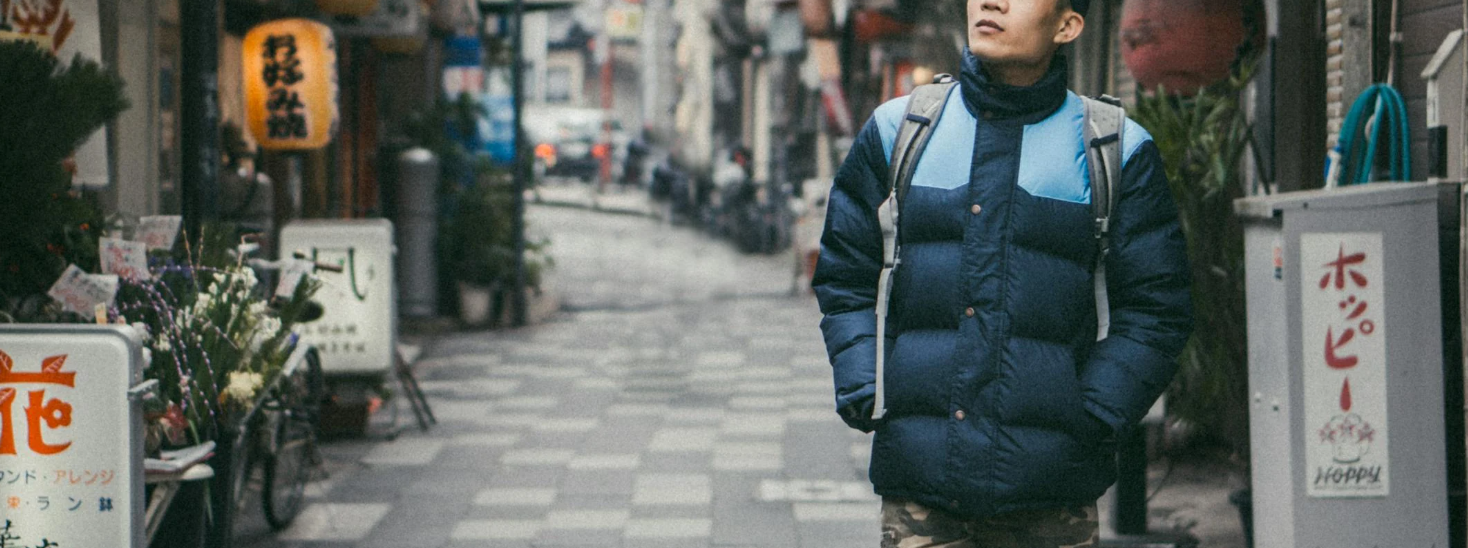
- Tokyo emphasizes layering, experimentation, and proportion
- Paris blends street elements with tailoring
- New York prioritizes practicality and attitude
- Seoul integrates streetwear with pop-cultural influence
What unites these scenes is not sameness, but dialogue.
Why Street Style Resonates With Modern Consumers
Street style aligns with contemporary values:
- Individuality over conformity
- Comfort without aesthetic compromise
- Cultural relevance over tradition
- Personal narrative over brand authority
For consumers navigating fluid identities and hybrid lifestyles, street fashion offers flexibility rather than prescription.
Craftsmanship vs. Credibility: A Critical Evaluation
One criticism of street fashion is its perceived lack of craftsmanship. However, this critique often misunderstands its priorities.
Street style values:
- Fit and proportion over finishing
- Conceptual clarity over luxury materials
- Contextual relevance over longevity
That said, as streetwear enters higher price tiers, consumers increasingly expect improved construction and durability—raising important questions about value justification.
Is Street Style Still Authentic?
As urban fashion becomes institutionalized, authenticity becomes harder to define.
Key tensions include:
- Grassroots creativity vs. corporate scaling
- Community ownership vs. brand monetization
- Expression vs. performance
Street style remains influential, but its authenticity now depends on who is speaking—and who is profiting.
The Future of Street Style: Evolution, Not Extinction
Street style is unlikely to disappear. Instead, it will continue to evolve through:
- Deeper cultural hybridity
- Integration with sustainability and customization
- Smaller, localized micro-trends
- Ongoing negotiation with luxury fashion
Its power lies not in permanence, but adaptability.
Final Verdict: How Urban Fashion Became Fashion’s New Authority
Street style did not replace runway fashion—it redefined the source of authority. By prioritizing lived experience over institutional validation, urban fashion reshaped how trends emerge, spread, and gain legitimacy.
In today’s fashion landscape, influence flows upward, outward, and sideways simultaneously. Street style thrives precisely because it resists final definition.
Fashion no longer asks, What should people wear?
It asks, What are people already wearing—and why does it matter?
Conclusion
The evolution of street style represents one of the most significant shifts in modern fashion history. What began as localized expression has become a global trend engine—shaping luxury, redefining value, and challenging traditional hierarchies.
Street style’s greatest contribution is not any specific silhouette or item, but a philosophical one: fashion belongs to those who wear it.
And in that sense, the street will always lead.