 modacritic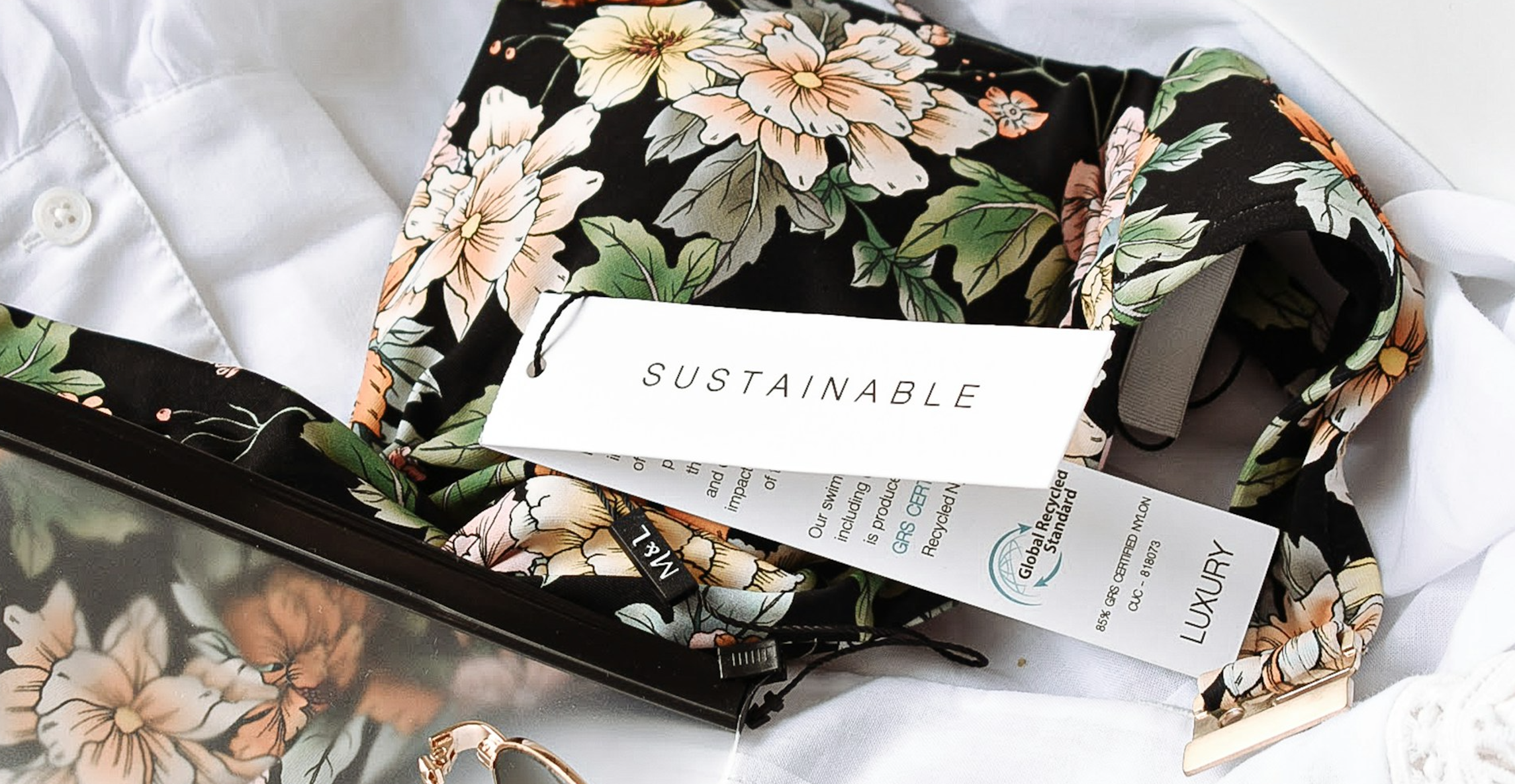
Introduction: Sustainability as Fashion’s New Moral Currency
Few concepts have reshaped the modern fashion industry as profoundly as sustainability. Once a niche concern discussed primarily within activist and academic circles, eco-friendly fashion has become a dominant narrative embraced by luxury houses, mass-market brands, and consumers alike.
From organic cotton collections and recycled polyester campaigns to carbon-neutral pledges and circular fashion initiatives, sustainability is now positioned as both an ethical imperative and a commercial advantage. But as the term becomes increasingly ubiquitous, a critical question emerges:
Is sustainable fashion genuinely better—or simply better marketed?
This article takes an evaluative approach to sustainable fashion, examining its promises, performance, limitations, and long-term viability. Rather than accepting sustainability as an unquestioned virtue, the focus here is on measurable impact, material reality, and consumer value.
Defining Sustainable Fashion: A Concept Without a Single Standard
What Does “Sustainable” Actually Mean?
One of the central challenges in evaluating sustainable fashion is the absence of a universally accepted definition. In practice, sustainability may refer to:
- Environmentally friendly materials
- Ethical labor practices
- Reduced carbon emissions
- Waste minimization and recycling
- Long product lifecycles
Most brands address some, but rarely all, of these dimensions.
Sustainability as a Spectrum, Not a Binary
Fashion sustainability exists on a continuum. A garment made from organic cotton but produced in exploitative labor conditions is not fully sustainable. Conversely, a well-made synthetic garment worn for decades may outperform a poorly constructed “eco” alternative in real environmental terms.
Understanding sustainability requires nuance, not absolutes.
The Forces Driving the Rise of Sustainable Fashion
Consumer Awareness and Cultural Pressure
Modern consumers—particularly younger demographics—are more informed about climate change, labor ethics, and corporate accountability. Sustainability has become a factor in purchasing decisions, even when price sensitivity remains high.
Regulatory and Investor Influence
Governments and investors increasingly demand transparency in supply chains, emissions reporting, and corporate responsibility. Sustainability is no longer optional—it is becoming a compliance issue.
Brand Differentiation in a Saturated Market
In an industry defined by overproduction and sameness, sustainability offers a compelling narrative. For many brands, eco-friendly positioning functions as a differentiator rather than a foundational value.
Sustainable Materials: Are They Truly Superior?
Organic Cotton
Pros
- Reduced pesticide and chemical usage
- Improved soil health
Cons
- High water consumption
- Often less durable if not properly processed
Organic cotton is environmentally preferable at the agricultural level, but its overall benefit depends heavily on garment construction and longevity.
Recycled Polyester
Pros
- Diverts plastic waste from landfills
- Reduces reliance on virgin petroleum
Cons
- Still sheds microplastics
- Recycling processes are energy-intensive
While recycled polyester addresses waste issues, it does not eliminate the environmental concerns associated with synthetic fibers.
Innovative Materials (TENCEL™, Piñatex, Mycelium Leather)
These next-generation materials represent genuine innovation. However, their scalability, durability, and long-term environmental impact remain under evaluation.
Innovation alone does not guarantee sustainability.
Craftsmanship and Longevity: The Overlooked Sustainability Factor
One of the most underappreciated aspects of sustainable fashion is construction quality.
A well-made garment that lasts ten years is often more sustainable than multiple “eco-friendly” garments replaced annually. Durability reduces:
- Resource consumption
- Transportation emissions
- Waste generation
Luxury brands that emphasize craftsmanship—whether explicitly sustainable or not—often outperform fast-fashion “eco” lines in real-world environmental impact.
The Price Question: Is Sustainable Fashion Worth the Premium?
Cost Structure Realities
Sustainable fashion often costs more due to:
- Higher material expenses
- Smaller production runs
- Ethical labor wages
- Certification and compliance costs
These factors are legitimate, but not all price premiums are equally justified.
Evaluating Value Beyond the Label
Consumers should assess sustainable garments based on:
- Cost-per-wear
- Repairability
- Timeless design
- Fabric performance over time
Sustainability should enhance value, not merely inflate price.
Greenwashing: The Industry’s Credibility Crisis
When Sustainability Becomes a Marketing Tool
As sustainability gains commercial appeal, greenwashing has become increasingly prevalent. Common tactics include:
- Vague language without data
- Highlighting one eco-friendly element while ignoring others
- Overstating minimal improvements
Without standardized reporting, consumers are often left to interpret claims with limited information.
The Importance of Transparency
Brands genuinely committed to sustainability tend to provide:
- Detailed supply chain disclosures
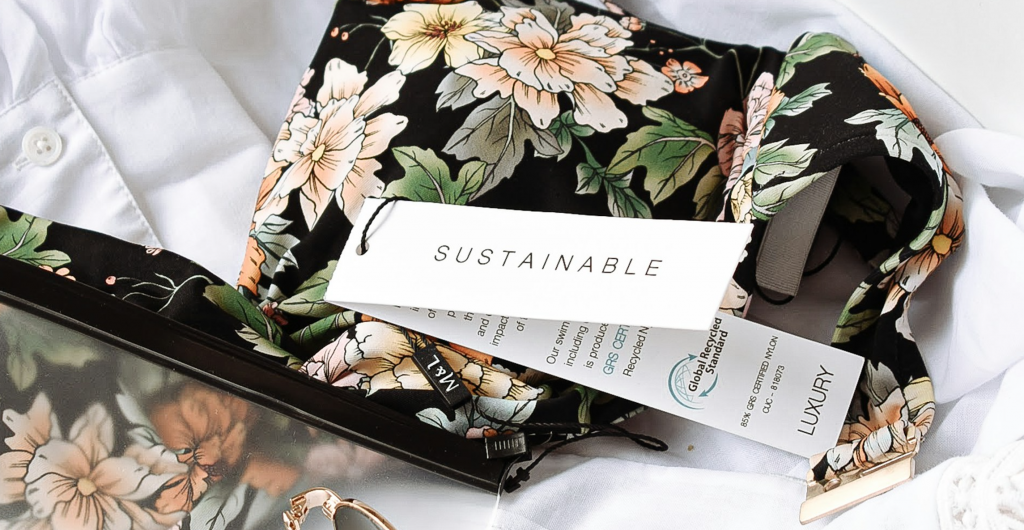
- Third-party certifications
- Measurable environmental targets
Transparency is the most reliable indicator of authenticity.
Luxury Fashion and Sustainability: Contradiction or Opportunity?
Luxury fashion occupies a unique position. On one hand, luxury production involves resource-intensive materials. On the other, luxury emphasizes longevity, repair, and emotional durability.
High-end sustainable fashion succeeds when it integrates:
- Timeless design
- Exceptional materials
- Responsible sourcing
- Long-term ownership mindset
In this context, sustainability aligns naturally with luxury values—when executed sincerely.
Consumer Responsibility: Sustainability Beyond the Purchase
Even the most eco-friendly garment cannot compensate for overconsumption. True sustainability requires changes in consumer behavior, including:
- Buying fewer items
- Prioritizing versatility
- Caring for garments properly
- Embracing repair and resale
Sustainable fashion is as much about how clothing is used as how it is produced.
Is Sustainable Fashion Really Better? A Balanced Evaluation
Where Sustainable Fashion Succeeds
- Raises industry accountability
- Encourages material innovation
- Improves labor awareness
- Promotes longevity and care culture
Where It Falls Short
- Lacks standardization
- Susceptible to greenwashing
- Often inaccessible due to pricing
- Cannot offset overproduction alone
Sustainable fashion is not a complete solution—but it is a necessary step.
The Future of Sustainable Fashion: Evolution, Not Revolution
The future of sustainable fashion lies not in perfection, but in continuous improvement. Progress will likely come through:
- Clearer regulations
- Better lifecycle assessment tools
- Scalable material innovation
- Cultural shifts toward mindful consumption
Sustainability must evolve from trend to infrastructure.
Final Verdict: Sustainability Is a Direction, Not a Guarantee
Eco-friendly clothing is not automatically better—but it can be, when supported by transparency, quality, and responsible consumption. Sustainability should be treated not as a marketing badge, but as a performance metric subject to scrutiny.
For discerning consumers, the most sustainable choice often lies at the intersection of:
- Quality
- Longevity
- Purposeful design
- Honest communication
Fashion does not become sustainable by intention alone.
It becomes sustainable through execution.
Conclusion
The rise of sustainable fashion reflects a necessary reckoning within an industry built on excess. While the movement is imperfect and often inconsistent, it has shifted the conversation in meaningful ways.
The challenge now is to move beyond slogans and toward substance—where sustainability is not claimed, but demonstrated.
In the end, sustainable fashion is not about being flawless.
It is about being accountable.